Finding the right Sundown subwoofer really amps up your car audio setup, bringing out deep bass and crisp sound. Sundown Audio has built a strong reputation for reliable, hard-hitting subwoofers, but with so many options in their lineup, picking the right one takes a bit of know-how. There’s more to it than just grabbing the most powerful model you see—it’s about matching your sub to your car, your style, and your budget.
Maybe you’re after earth-shaking bass, want something for everyday listening, or you’re planning a competition build. Being able to spot the differences between models, sizes, and features helps you make a smart choice for your ride. I’ve spent years testing and installing Sundown gear, so I’m sharing what I’ve learned to help you get the most out of your next upgrade. Whether you’re just starting out with your first sub install or you’ve been building systems for years, a refresher on what matters can help you avoid common pitfalls.
This guide breaks down everything you need to know to choose a Sundown subwoofer that fits your needs, whether you’re customizing a car, truck, or even a boat. Smart choices up front save you money, hassle, and give you that punchy bass Sundown is known for. With the right info, you can steer clear of overspending and ensure your system delivers impressive bass every time you hit play.
Understand Your Bass Goals
Start with figuring out what kind of bass you want in your vehicle. Some people want booming, window-rattling lows, while others just want a cleaner sound with more presence. Sundown offers a range of subwoofers, so being clear on your goals will keep you from overbuying or ending up with something that can’t meet your needs.
Ask Yourself:
How loud do I want it to be?
What music do I listen to most? (Hip-hop, EDM, rock, etc.)
Am I interested in SPL (loudness) or SQ (sound quality)?
Will I compete in car audio events, or is this just for daily driving?
Types of Listening Styles:
Basshead/Competition: All about maximum output; check out Sundown’s ZV, NS, or Team series.
Sound Quality/Fidelity: Focused on detailed, accurate bass; look at Sundown’s SA, SD, or U series.
Daily Driver: Balanced bass that doesn’t overpower; Sundown SA or E series work well here.
Thinking about your goals up front helps you narrow down the Sundown subwoofer models, avoiding the issues of upgrading later. It also keeps your system fun and matches how you enjoy your music day to day.
Choose the Right Subwoofer Size
Sundown subwoofers come in a range of sizes, including popular 8-inch, 10-inch, 12-inch, and 15-inch versions. Bigger isn’t always better, as your vehicle size and personal bass preference play huge roles in what will work best.
Basic Size Guide:
8” or 10” Subwoofers: Quick, punchy bass; great for small cars or trucks and music with sharp, precise beats.
12” Subwoofers: Popular for daily driving, offering a nice mix of deep lows and responsiveness without taking up the whole trunk.
15” Subwoofers: Delivers deep, booming bass; better for large vehicles or serious SPL builds where volume matters most.
Think about your available trunk space and whether you need to save room for groceries or gear. I’ve found that most daily drivers are happiest with a 10” or 12” sub since they strike a good balance between punch and practicality. Sub size can also affect how “musical” your system feels, with smaller sizes emphasizing tighter response and larger ones focusing on raw power and volume.
Match Power Handling and Amplifier Needs
Power handling is a big deal when picking a Sundown subwoofer. You’ll want a sub that pairs well with your amp; too much power can damage the sub, and too little wastes its potential. Each Sundown sub lists its RMS (continuous) and peak power ratings, but stick to the RMS value for real-world use. Matching power ensures your sub stays reliable and sounds clear, without distortion or risk of blowing the speaker.
How to Match Power Handling:
Check the RMS rating on your subwoofer; make sure your amp can supply about 80-100% of that value.
Don’t overpower a sub expecting more bass. This shortens its life and can void warranties.
For big builds and multiple subs, pick a quality amp with clean, stable power. Don’t cut corners on amplification.
Example Pairings:
Sundown SA-12 (750W RMS) → Pair with a 700–800W RMS amp at the correct impedance.
Properly matching power is really important for reliable, distortion-free bass. Sundown’s website has handy spec sheets for each model, making this process way easier. If in doubt, ask an installer or use Sundown’s support resources for specific recommendations on pairing subs and amps.
Decide on the Right Impedance
Impedance is measured in ohms and affects both the sub’s compatibility with your amp and how you wire multiple subs. Sundown subs often come in dual 2-ohm or dual 4-ohm coil versions. Picking the right configuration depends on your amp’s specs and how many subs you want to run.
Impedance Basics:
Dual 2-Ohm: Allows wiring for 1-ohm or 4-ohm final load. More flexibility if you’re adding more subs later.
Dual 4-Ohm: Works for 2-ohm or 8-ohm loads. Solid choice if your amp is optimized for 2-ohm.
If you’re unsure, most car audio shops or forums like caraudio.com can help you figure out the best setup for your gear. I always check my amp’s manual before deciding. The right impedance match ensures maximum performance and helps avoid overheating or premature wear on your system.
Box Setup and Space Requirements
The box, or enclosure, you use with your Sundown subwoofer seriously affects sound and performance. Sundown lists recommended box sizes and types right on their product pages. The two main choices are sealed or ported boxes, and each offers a unique sound signature.
Box Types:
Sealed Box: Tight, accurate bass; takes up less space; best for sound quality and smaller vehicles.
Ported (Vented) Box: Louder, boomier bass; bigger box needed; ideal for maximum output and deep lows.
Measure your available space before buying. Some Sundown subwoofers are pretty deep or wide, so make sure your trunk or cabin can handle it, especially with ported boxes. Building your own box? Follow the specs closely for best results. Using a custom-made enclosure that matches your sub’s needs brings out the best performance, while an undersized or leaky box can leave even the most powerful sub sounding weak.
Budget and Real-World Value
Sundown subwoofers range from budgetfriendly “E” models to highend “Team” monsters used in competitions. Figure out what you’re comfortable spending, but also plan for extras like wiring kits, boxes, and installation if you’re paying for professional help. Remember, a great system needs more than just a sub—a good amp, sealed box, and proper wiring all play a role.
Example Pricing Tiers:
E Series: Affordable and tough; an awesome starter sub for anyone.
SA/U/SF Series: Step up in quality and power; good for most daily drivers and music enthusiasts who want a little extra punch.
ZV/NS/Team Series: Premium performance (and price), mainly for enthusiasts and SPL competition builds who want the most output possible.
I’ve found it better to get a slightly better model and run it within its limits than to push a cheaper sub too hard. Upgrading later costs more than buying once and installing right the first time. Investing in quality now saves you from headaches and replacements down the road.
Installation Tips and Support
Installing a highpowered subwoofer needs the right wiring, secure mounting, and a decent amplifier. Sundown’s gear is made to handle some real power, but only if the setup is rock solid.
Use quality wiring kits; cheap wire can lead to voltage drops and headaches.
Tune your amp’s gain settings with a multimeter or an oscilloscope if you have one. Ear tuning is hit or miss.
Watch for air leaks if you build your own box; airtight construction makes a noticeable difference.
If you’re new to wiring or box building, check out Sundown’s support forums and YouTube. The community is really helpful and packed with great advice and demos.
Installing your own subwoofer can be a rewarding project, but if you’re unsure about wiring or tuning, getting professional help ensures you don’t run into costly mistakes.
Answers to Common Sundown Questions
What makes Sundown subs different?
Sundown uses heavy magnets, strong baskets, and tough voice coils. Their stuff is built to last and take a beating, even in highoutput setups, setting their products apart from many competitors.
Can I mix different size Sundown subs?
I wouldn’t recommend it. Different sizes sound different and can muddy up your bass. Sticking to matched pairs (same model and size) keeps things sounding clean and makes tuning much easier.
Is a ported or sealed box better for Sundown subs?
If you want precise, tight bass, go sealed. If you want to feel the bass in your chest, ported is the way. Sundown subs usually work well in both, just follow their box suggestions and your personal preference for sound style.
Ready to Upgrade? Key Steps for Choosing
Picking a Sundown subwoofer doesn’t have to be tricky. Stay focused on your space, power, and goals. Here’s my basic checklist to guide you:
Figure out the space and bass feel you want (clean vs. loud and boomy).
Pick the size and series that fits your vehicle and listening habits.
Match your sub’s RMS to your amp’s output at the right impedance.
Choose the enclosure type and size for your sub and car.
Set a realistic budget for everything (subs, amp, wiring, and box).
Getting the right Sundown sub sets you up for years of great sound. Which model are you thinking about running in your build? No matter what you pick, Sundown’s lineup has a reliable choice ready to meet your music needs, whether you’re chasing SPL trophies or just want to let it rip on the commute to work.
If you’re getting into the world of car audio, one brand you’ll hear about over and over is Sundown. Their subwoofers are talked up for a reason; they deliver the kind of deep, serious bass that music lovers crave. If you’re aiming for powerful lows without distortion, grabbing a Sundown 12 inch subwoofer can be a solid move. Figuring out the details before you buy will help you land the right sub for your ride and listening style.
Why Consider a Sundown 12 Inch Subwoofer?
Car audio upgrades can turn even the plainest drives into unforgettable sound experiences. A 12 inch subwoofer acts as the sweet spot for most folks; it’s big enough to give you real depth and volume, but it usually fits into most cars without hogging all your trunk space. Sundown Audio is known for making tough, high performing gear, and their 12 inch subs get lots of love for both daily driving and serious competition setups.
Choosing quality gear like Sundown reduces the risk of blowing a sub when you crank the volume or play bass heavy music. Their 12 inch subs pack strong magnets, well designed cones, and beefy voice coils, all aimed at producing clean bass that doesn’t fall flat or distort. If you want bass you can feel, not just hear, Sundown has plenty to offer and has built a reputation for reliability over years in the industry.
One thing that sets Sundown’s 12 inch subwoofers apart is their durability. The materials used are built to withstand heavy, long term use, and the engineering is focused on performance and longevity. This is backed up by countless positive user experiences and reviews online, where people talk about systems running strong after years of regular use, even at high volumes. This reliability, paired with the ability to deliver deep and punchy bass, makes Sundown a favorite among car audio enthusiasts.
What to Know About 12 Inch Subwoofers
Not all 12 inch subs are created equal. Size is only part of it; the materials, build quality, and performance specs matter a lot. Here are some terms and features that come up when shopping for a Sundown 12 inch subwoofer:
RMS Power Handling: This is the continuous power a sub can handle. Higher RMS means the sub can take more wattage without problems.
Sensitivity: This measures how efficiently a sub converts power into sound. A higher number means louder output with less power.
Impedance (Ohms): Most Sundown subs come in dual 2 ohm or 4 ohm configurations. The right one depends on your amp and wiring goals.
Enclosure Compatibility: Some subs thrive in sealed boxes for tight bass, others are designed for ported boxes for bigger boom. Sundown lists recommended box sizes for each sub model.
Cone & Surround Material: Sundown usually uses strong, nonpress paper composite or fiberglass cones with tough foam or rubber surrounds. That means the sub can flex hard without tearing or losing quality.
Keep in mind that the right box can make or break your subwoofer’s performance. When looking at Sundown models, skim through the technical sheets and user manuals, which often include box size and tuning recommendations for both sealed and ported options. This ensures you get the tightest response and maximum output for your music preferences.
Choosing the Right Sundown 12 Inch Subwoofer
Sundown’s lineup can seem overwhelming if you’re new. Models like the E, SA, X, and Z series each fill different needs and budgets. Picking the right one depends on how you use your sub, your power setup, and where you install it.
Everyday Listeners: The Sundown E Series is a strong pick for daily drivers who want clear, strong bass without breaking the bank. They handle decent wattage and don’t need a massive amp to sound good.
Enthusiasts and Bassheads: Stepping up, the SA12 is a favorite for folks chasing deep, loud bass and a little more wattage. If you’re building a system to impress, this one can take a beating day after day.
Competition Crowd: For those going all out, the X or ZV5 series handle serious wattage and are built for the most brutal bass and SPL setups. These require major amps and often custom enclosures, so they’re not for beginners.
Matching the sub to the rest of your setup, mainly your amplifier and enclosure, makes a huge difference in sound and subwoofer life. It’s always worth making sure your amplifier’s output is well matched to the sub’s rated RMS so that everything runs comfortably and efficiently. Take a little time checking forums or Sundown’s own recommendations to find the best match for your system.
Factors To Consider Before Buying
Buying a subwoofer involves some homework. Here are details that help you avoid common pitfalls and get the best sound for your bucks:
Space Constraints: A 12 inch sub isn’t tiny. Measure your trunk or cargo space and factor in the enclosure size recommended by Sundown.
Amplifier Compatibility: Make sure your amp can supply enough clean power to match your sub’s RMS rating. Underpowering or overpowering leads to weak sound or permanent damage, and neither is fun.
Wiring: Decide whether you want a single or dual voice coil sub (SVC or DVC). DVC models offer more wiring flexibility for multiple subs or specific amp loads.
Budget: Factor in not just the sub price, but also what you’ll spend on enclosures, wiring, an amp, and installation if you’re not DIYing.
Tuning: Properly setting your amp gains, crossover frequencies, and bass boost (if you use it) is super important for both sound quality and protecting your setup.
Adding sound deadening products, even just to the trunk or doors, can step up your bass experience by cutting rattles and keeping all that energy where it counts—inside your car. It’s a step people often skip but it’s worth it if you want clean, tight bass and fewer vibrations.
Amplifier Matching
One big mistake I see is folks running a sub with way too little or way too much power. Stick close to your sub’s RMS number, not just peak power ratings. For example, if your Sundown sub is rated for 750W RMS, look for an amp that can push between 700 and 800 real watts RMS at the correct impedance. Quality power means better bass and longer life for both your sub and amp.
Enclosure Building and Selection
Enclosures have a bigger impact on your sub’s sound than a lot of people realize. If you want tight, punchy bass for rock, a sealed box is hard to beat. For louder, boomier bass perfect for hip hop or EDM, a ported enclosure will deliver. Sundown provides recommended box sizes and tuning frequencies in their manuals and on their site, which is worth checking before buying or building. Investing in a wellbuilt box, or having one professionally built to spec, pays off with better sound and greater durability.
Installation and Setup Considerations
You can install a sub and amp yourself with some patience and the right tools. If you’re new, double check all your wiring for proper polarity and tight connections. A bad ground or loose wire causes buzzing, hiss, or even shorts. If you’re on the fence, a pro install isn’t a bad investment. Proper installation is just as important as the gear you choose and can mean the difference between an average system and one that sounds incredible.
Real World Uses for a Sundown 12 Inch Subwoofer
Sundown subs aren’t just for bass competitions or car shows. They work great for:
Daily Driving: Enjoying music the way it’s meant to sound; full and rich, even with all the windows down.
Car Audio Competitions: Chasing trophies and attention at sound offs where big bass gets respect.
Custom Installs: Creative builds in trucks, SUVs, sedans—wherever you want the boost.
Plenty of folks share their setups on car audio forums and videos. Checking out real world reviews and install photos can help you picture what’s possible in your own car and give you fresh ideas for your own system. The Sundown community is large and active, so resources, tips, and troubleshooting help are all easy to stumble upon online.
Frequently Asked Questions
Some questions pop up all the time when people are picking out a Sundown 12 inch subwoofer:
Question: Will a Sundown 12 fit in my vehicle? Answer: In most cars, yes, with the right enclosure. Just measure your available space before you buy and compare that to box dimensions recommended by Sundown.
Question: How do I know if my amp will work with a Sundown 12? Answer: Check your amp’s power output (RMS, not just max) at the same impedance (ohms) as your sub. If they’re close, you’re usually good. Always lean toward better quality and a little less power over pushing a cheap amp too hard.
Question: Do I need sound deadening or extra electrical upgrades? Answer: For big bass setups, adding some sound deadener (like Dynamat) keeps rattles down. If your amp and sub draw a lot of power, a bigger wiring kit and maybe a capacitor or upgraded alternator helps keep up with demand. For most daily setups, your factory electrical can handle it, but it never hurts to upgrade.
Wrapping Up
Getting the right Sundown 12 inch subwoofer is about more than just picking a high wattage model. Thinking through your listening goals, matching your amp, choosing a good box, and installing everything solidly is what delivers top shelf bass and a setup you’ll love. Careful research helps buyers make informed decisions, and patience during install pays off with loud, clean, reliable bass for the long haul.
If you’re ready to feel every beat and transform your driving experience, a Sundown 12 inch sub is definitely worth checking out. There are lots of choices, so take your time, ask around, and get ready for a real upgrade to both sound and fun in your ride!
If you are looking for a car audio system and would love to save a little money when purchasing, you should consider buying a used system. Many people think you can only get quality sound from new equipment, but that is not true. You can find great packages that are sold directly from another consumer if you know what you are looking for. There are a few things to remember before making a purchase however. If you are considering buying a used system, think about these things before you throw down any cash.
The first thing to consider is what you need. You should always be aware of what your automobile can handle before purchasing a used system. When you go to a store to purchase new equipment, the salesperson usually assists you on knowing what you need. When you are purchasing from a consumer however, you may not be getting correct information. Since most consumers won?t offer a refund policy, you will need to know that the equipment will work on your car before buying it.
The best way to figure out what you need is to go your research. Go to a salesperson or a audio specialist and ask them about the specific equipment you are looking at. Ask them if it will work in your car. You may even have to let them inspect your car, but they can likely tell you whether or not it will work over the phone. After you know that the equipment will work for your car, you will need to make sure the equipment works as it should. Ask to test the equipment, if it is not in a car at the time.
If you cannot test the equipment, you might not want to purchase it. Even though someone might tell you it works fine, they may not be as honest as you would like to think. Most sellers are honest, but there are a few who will try to trick you and you don?t want to be their next victim. So, be sure that you know what you need for your current automobile and be sure the car audio system you are looking at is still usable. If you do these two things, you will be able to save yourself a lot of money by purchasing used quality equipment. It is always great to save money, but you only want to purchase used equipment that will work for you. If you don?t, then you really haven?t saved anything at all.
If you’re looking for serious bass, competition-grade subwoofers are the way to go. The world of 12-inch car subwoofers is packed with options, but narrowing down what actually delivers that deep, tight punch can feel overwhelming. I’ve spent a lot of time testing, demoing, and talking to audio heads in the car audio community, and I want to share my first-hand experience to help you find the right competition 12 for the road, the show, or just your daily commute.
Here’s a quick look at my current top five picks for 2026. Then, I’ll break everything down in greater detail so you’ll know exactly what makes these subs stand out from the crowd.
Subwoofers in this category bring their own flavor of bass, but there are some cool features with each that are worth checking out. Here’s what stands out to me about each one, plus some first-hand tips so you can get the best bang for your buck (and your bass!).
Z-Series ZV7 12″ Subwoofer Review
The ZV7 from DC Sound Lab has a reputation with bassheads for a reason. It’s all about raw, reliable power that can take a beating. I had a pair of these running for a whole show season before writing this. No matter what genre I pushed—EDM drops or old-school hip hop—these didn’t cave, overheat, or lose detail.
Build Quality & Materials
Buildwise, the ZV7 uses a heavyduty aluminum basket, oversized magnet, and a fourinch copper voice coil that really helps keep things cool when you’re running them hard. The doublestacked magnets add up to some serious motor force, so you don’t just get bass; you get clean, supercontrolled bass. When you pick one up, you feel the weight is totally justified by the beefy design.
Sound Performance
The ZV7 delivers deep lows without getting muddy. Kick drums hit with a thickness that doesn’t fade as volume goes up. Subtle musical details, like bass guitar slides, cut through the mix just as well as heavy 808s. On a demo run in my friend’s Chevy Tahoe, two ZV7s hit a legit 146.5 dB, enough to rattle rearview mirrors but still sound musical.
Power Handling & Reliability
This sub is made to handle up to 2000W RMS, which means you can pair it with a highoutput amp without constantly babysitting the gain dial. I’ve run pretty aggressive gain settings for extended periods without any burns, shorts, or distortion. DC Sound Lab also includes a 1year warranty, which gives some peace of mind for an investment like this.
Box Options & Installation Tips
The ZV7 plays really well in both ported and sealed boxes, though I generally get bigger, fuller sound with a properly tuned ported enclosure (around 2.2-2.5 cu ft tuned to 33-35Hz). Because of the size and weight, some reinforcement on your sub box helps, especially if you’re planning to compete.
Pros & Cons
Massive bass output, super punchy
Built for high power and competition use
Stays cool under heavy play thanks to smart cooling features
Need strong electrical system (upgraded alternator helps at this wattage)
Pretty heavy, so plan box and install accordingly
Runs at a premium price, but delivers on value
Slapz Audio Smackdown V2 12″ Review
The Smackdown V2 is one of the newer kids on the block but has really made a splash with its aggressive style and even more aggressive performance. I got a chance to try this out at Slamology and was surprised at how clean it performed at ridiculous output levels.
Build Features
Slapz Audio uses a threeinch eightlayer flat wound copper voice coil, massive triplestacked Y35 magnets, and a nonpressed paper cone. The surround is a fat highroll rubber design, so the excursion is wild, with plenty of visible movement. My buddy who runs two of these in a ported box says the thermal handling is even better than most brands at this price point.
Performance & Sound Quality
This sub hits hard in the SPL lanes but still keeps things listenable for daily driving. My test rig measured a pretty clean frequency response from about 24Hz up to 150Hz with no huge drops. It shines in vented enclosures, especially with big port area (I used a dual aero port setup in my box test, which really let it breathe). There’s a satisfying lowend rumble on tracks like Travis Scott’s “Goosebumps,” where you can feel every nuance.
Power Handling
Rated for 2500W RMS, you’ll want a beefy amp to really open these up. They do require a good electrical system to avoid voltage drops, but they’ll reward you if you feed them real power. I never ran into signs of stress, even during long demo sessions hovering around maximum volume for twenty minutes at a time. Given the price, it’s very competitive for the performance range.
Customization & Looks
The Smackdown V2 series lets you choose from a few basket colors if you want to match your build theme. It’s a nice touch if you ever plan to show off the guts of your setup. The overall appearance is eye-catching and adds next-level cool to your trunk or build demo.
Pros & Cons
High excursion, really flexes on deep notes
Good SPL with enough balance for daily use
Easy to install, compact motor for the power
Needs strong amp and battery support
Not as musical as some others in super low volume listening
No sealed box option recommended for this version
Fi Audio HC Series 12″ Subwoofer Review
Fi Audio has always been on my “recommend this to your friends” list for custom car subs. The HC Series gives you a beefy, handbuilt sub with tons of custom options, right down to tinsel lead style and directconnect terminals.
Customizable Options
Fi lets you select options like dual voice coil configuration, SPL spider, hixmax, cooling, and more. I’ve ordered with the SPL coil and extra cooling, which really brings out the best for burpstyle SPL runs. If you want something optimized for music, you can opt for a daily coil and get smooth response over a wide range.
Materials & Build Quality
The HC Series uses a fourspoke cast aluminum basket, a 3″ copper voice coil, and heavy spiders for great excursion and return. After several months of daily driving and competition, I didn’t notice cone fatigue or loss of output. Everything feels tight and premium.
RealWorld Performance & Power
The RMS rating runs from 1500W and up, depending on coil and custom build. I’ve personally competed with this sub in a twosub ported setup at Midwest SPL competitions and regularly hit in that 145-148 dB range on music. The bass is deep, but what I really like is that it keeps its composure with quick response, so snappy basslines in rock or doublebass drumming don’t blur together. You can even push it hard with steady music sessions and it responds without hesitation or notable rise in temperature.
Installation Notes
You’ll get the best out of the HC Series by contacting Fi directly to talk over your car and amp so you get a sub built for your usage; it really helps if you’re new or have specific goals. Box recommendations vary, but for daily loud, I’ve found 2-2.6 cubic feet at 32-35Hz hits the spot. The team at Fi is always really patient and helpful, and happy to talk tech details.
Pros & Cons
Customizable to your music style and amp power
Prograde materials, made to order
Excellent balance between SPL and musicality
Need to wait for custom build time (up to 3-4 weeks)
Pricing rises with extra options
You’ll want to tune carefully for genre or usage
Gately Alpha 12″ V2 Subwoofer Review
Gately Audio jumped on the car audio map with their solid SPL products, and the Alpha 12″ V2 doesn’t disappoint if you’re looking for topend performance with a little showcar flair. I ran this sub for a couple months in a custom ported enclosure and got some of the most consistent results in both music and SPL scores.
Build Quality and Features
With a 2200W RMS rating, triplestacked ferrite motors, a robust cast aluminum frame, and wide spider pack, the Alpha V2 is designed for hard play. The stitched highroll surround and glass fiber reinforced cone give it the durability needed for daily pounding and the occasional SPL burp. The cooling is on point; seriously, I never threw thermal errors once.
Sound Output & Musicality
This sub excels at keeping things musical while pushing big air. I was able to dial in clean, accurate bass with just a few hours of tuning. It performed great across a range of genres, from club tracks to rock, which shows its versatility. During a group test, it held its own up against more established brands and even took first place in a local soundoff for accuracy. Volume is no slouch either; 143.9 dB peak on music, not even full tilt.
Enclosure Versatility
The Alpha 12″ V2 is happy in both sealed and ported enclosures, which gives you some flexibility. For sheer output, I recommend a vented box, but you’ll still get clean, tight response in a wellbuilt sealed setup. Ported at 2.3 cubic feet tuned to 35Hz hit all the right SPL notes for me. Its forgiving design allows for minor tweaking in box size too.
Installation & Support
Gately Audio’s support team is super knowledgeable. I’ve emailed them a few times about enclosure questions and always got quick, detailed responses. Their install documentation is easy to follow; helpful if you’re building your own box.
Pros & Cons
Handles big amps without drama
Really solid construction and parts
Performs well in a range of boxes
Midtohigh price range for a single sub
Weight adds up if you’re doing multiple subs
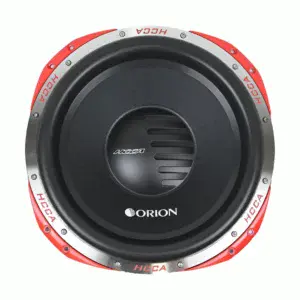
Orion HCCA122 Review
Orion’s HCCA line is legendary in car audio, especially if you’ve ever watched a soundoff from the ’90s or early 2000s. The newest HCCA122 stays true to tradition, blending reliable overbuilt hardware with a modern edge for competitions and demo builds.
Build & Technology
The HCCA122 features a large dualstacked ferrite magnet, a progressive Nomex spider, and a beefy polypropylene cone with stitched edge. The cooling system is serious: big vents and a smartly designed basket that doesn’t trap heat. I’ve seen them survive burps of up to 4000W without blowing coils (though the official RMS is rated at 2000W, which is where you should aim for longevity).
Sound & Output
This sub is a monster in terms of output and loves every bit of power you can throw at it. I tested with an Orion XTR2500.1D and, even at half gain, windows and panels in my test vehicle vibrated pretty aggressively. While it can get somewhat peaky in small ported boxes, if you tune your enclosure in the high 20s or low 30s Hz range, the lowend rumble is both heavy and satisfying. I hit 144 dB on music and a bit higher on test tones during comps.
Tuning & Drawbacks
The HCCA122 is best for vented or ported enclosures, ideally between 2 to 2.5 cubic feet, tuned anywhere from 28Hz to 35Hz depending on your goals. It’s not the most musical at quiet volumes, so it’s a better pick if you want to get loud and stay loud. The weight is a factor, and so’s the mounting depth, so check trunk clearances before you start your build.
Pros & Cons
Legendary SPL potential, hits hard and deep
Handles huge power without blowing easily
That Orion “red basket” always gets compliments
Tends to be peaky on certain frequencies, careful box tuning helps
Not the first pick for SQ (sound quality) purists
How to Pick the Best Competition 12″ Subwoofer for Your Needs
Picking the right sub goes beyond just looking at RMS numbers. It’s all about what kind of sound you want, your music preferences, how much space you’ve got, and what your electrical system can handle. Here’s what I tell folks new to competing or building big bass systems.
1. Think About Your Power Setup
Competitiongrade subs eat power. You’ll want a dedicated mono amp that can deliver at least the RMS rating of your sub, plus a quality wiring kit and either a secondary battery or a beefedup alternator if you run multiple subs. Running a 100A alternator on a 2000W sub will cause issues; keep your electrical strong.
2. Enclosure Makes a Huge Difference
The box is easily as important as the sub itself. Ported boxes offer more output and low tuning (great for SPL and deep bass), while sealed enclosures offer accuracy and smaller size. Most of these subs come alive in larger ported enclosures tuned to 32-35Hz, but check each brand’s recommendations, since too big or too small can wreck your sound.
3. Know Your Vehicle’s Limits
Some vehicles just aren’t built for giant sub setups. Measure depth, width, and trunk passthrough spaces before buying. Heavier magnet structures can need thicker mounting baffles, and a fourdoor sedan sometimes just can’t fit a superdeep sub without major mods.
4. Daily Driving vs. AllOut SPL
Decide if you want to flex at competitions or have enjoyable daily bass. Some subs (like the Fi HC) strike a good balance, while others (like Orion HCCA122 or the Slapz Smackdown) can lean more toward SPL and big output over daily music listening. There’s no wrong answer; just know which style you want most of the time and set your build up to match your everyday needs.
5. Budget and Brand Support
Competition subs aren’t budget picks, but you get what you pay for. Find companies with solid warranty policies and good customer service. If you need to special order, check expected build and shipping times. I’ve found Fi and Gately to be easy for custom requests, while brands like DC and Orion are usually in stock at most big dealers. Support can make or break your install experience, too.
Competition Subwoofer Community & Support
The subwoofer scene has a big online community: Facebook groups, Reddit threads, and brandspecific forums. If you hit a snag during install or want box design tips or amp matching help, you’ll always find knowledgeable folks willing to help out. I recommend sharing your build plan on a forum like CarAudio.com or hitting up YouTube for wiring or boxbuilding tutorials. There’s a lot to gain from connecting with fellow enthusiasts when you’re troubleshooting weird issues or need fresh ideas.
Benefit: Get realworld advice on tuning, enclosure design, and amp selection.
Benefit: Share your progress, get feedback, and avoid costly mistakes.
Benefit: Learn tricks of the trade, like how to reduce voltage drop or eliminate trunk rattle.
Tips for Maintaining & Getting the Most From Competition Subs
Big subwoofers need a little TLC if you want them to last through pounding sessions. Here are a few tips I’ve picked up the hard way:
Break in your sub for at least 8-10 hours at moderate volume before cranking it up. Let that suspension loosen up for best results.
Check wiring connections and retighten your sub and box mountings every couple months. These low frequencies love to vibrate everything loose.
Avoid running distortion. It kills coils. If you hear clipping, ease off the gain and check your amp tuning.
Invest in a decent sound deadening kit for your car’s trunk and doors. You’ll get cleaner bass and less rattle, especially in competition scoring lanes or daily loud sessions.
Pricing & Value Breakdown
Here’s how the five subs stack up for value versus price (pricings are current as of 2026):
Z-Series ZV7 12″: $649–$699. Mid-high range, but justifies the tag with power, build, and reputation.
Slapz Audio Smackdown V2 12″: $589. Competitive for the SPL world, solid warranty.
Fi Audio HC Series 12″: $579–$709. Pricing varies based on custom order options, but you get exactly what you want.
Gately Alpha 12″ V2: $699. Premium price but also premium performance and customer service.
Orion HCCA122: $569–$599. Steeped in SPL legacy, always a safe bet for brutal output.
If you’re just getting started, even the entrylevel pricing here is a leap above standard subwoofers, but the longterm reliability and output make a worthwhile difference if you’re serious about bass.
The Bottom Line: Which Subwoofer Is Right for You?
No matter what you pick from this list, you’re getting a highoutput subwoofer that’s built to take whatever you can throw at it; it’s smart to match your choice to your goals and setup for best results.
For Straight SPL or Competition: Slapz Smackdown V2 or Orion HCCA122 absolutely pound for SPL numbers and handle big power all day.
For Music and a Mix of SPL: Fi Audio HC Series or Gately Alpha V2 blend musicality with output and let you fine tune to your needs.
For Versatility and Daily Driving: Z-Series ZV7 is a beast in just about any setup and won’t disappoint even when you’re not competing.
If you’re passionate about car audio or want some advice before you build your next system, I’m happy to share more of my own box designs, amp picks, or tuning settings. Drop questions below or reach out in one of the big car audio groups. I always love seeing other people’s setups and helping them hit new lows (literally). Happy building, and enjoy the bass!
PS. Have questions about wiring, box tuning, or planning a multisub setup for the lane? I’m always around to help troubleshoot or brainstorm, so comment below or find me on the big car audio forums and let’s talk bass!
Wiring a car subwoofer in series can seem pretty confusing if you’re new to car audio, and blowing an amp is the last thing you want. A blown amp not only means expensive repairs but also downtime without your music. I’m going to walk through the process of wiring a subwoofer in series without damaging your gear, highlighting what you need, some common mistakes to avoid, and a few helpful tips based on what’s worked for me.
Why Wiring Subwoofers Correctly Matters
Getting the wiring right with car subwoofers does more than just get your music pumping. It helps your whole system run safely and more efficiently. When a subwoofer is wired wrong, you can create an electrical load your amp isn’t designed for, and that spells trouble. Amps will overheat, cut out, or even fry themselves when faced with tough loads. The point of wiring in series is to safely match up your subwoofers’ total resistance (measured in ohms) with the amp’s capabilities.
Almost every car audio amp lists its max power output for a specific load, like “400W RMS at 2 ohms.” Running a lower load than recommended could attract disaster, so double-checking compatibility and connections is a really important step.
Understanding Series vs Parallel Wiring
Before grabbing any tools, it helps to get why series wiring is different from parallel wiring:
Series wiring adds the resistance (ohms) of each sub together. So, if you hook up two 4-ohm subs in series, the amp will see 8 ohms. Higher ohms means less current drawn from the amp.
Parallel wiring cuts the resistance in half. Two 4-ohm subs in parallel mean a 2-ohm load to your amp, which pulls a lot more current.
For anyone with an amp rated only for 4 ohms or higher, series wiring can be the safer option. It keeps your amp from overworking and can even help it stay cooler during long drives. If your amplifier is designed to function best at higher loads, series wiring is an easy way to keep things running smoothly and protect your investment.
What You’ll Need for Series Wiring
Most of these supplies are pretty standard in car audio setups, but it’s good to have them ready. Keeping your workspace organized before you start makes the entire process easier:
Subwoofers (single voice coil, or dual voice coil if you know how to wire them correctly)
Amplifier (check the manual for compatible ohm loads)
Speaker wire (16gauge is lightweight, 12gauge is thicker for higher wattages)
Wire strippers and crimpers
Electrical tape or heat shrink tubing
Screwdriver or drill (depending on your sub box/amp install)
I also like having a basic multimeter handy to double-check everything before firing up the system, just for peace of mind. Having a clean work area and the right tools upfront can save you a headache later on down the line.
StepbyStep Guide: How to Wire Car Subwoofers in Series
The basic method works whether you’re using two single voice coil subs or a single dual voice coil sub. Here are the steps I always follow. Paying attention to each wire and connection is vital for keeping your equipment safe:
Power Down Everything: Always disconnect the negative battery terminal before running wires, especially when working near power connections.
Identify Terminals: On each subwoofer, find the positive (+) and negative (–) terminals. Good subwoofers label these clearly. For models with minimal labeling, refer to your product manual or check the manufacturer’s website for terminal identification.
Connecting in Series:
Connect the positive terminal of the first sub to the positive output from your amp.
Connect the negative terminal of the first sub to the positive terminal of the second sub (creating a “daisy chain”).
Connect the negative terminal of the second sub to the negative terminal on your amp.
DoubleCheck Your Work: Use a multimeter set to the ohms setting and check resistance at the amp terminals. If you’re wiring two 4ohm subs in series, the meter should read about 8 ohms.
Secure All Connections: Use electrical tape or heat shrink to keep things solid. Loose wires can cause shorts, distortion, or worse. Take a moment to make sure every terminal is tight and insulated to prevent accidental shorts.
Reconnect Power and Test: Hook the battery back up, turn on your head unit with the amp gain turned all the way down, and check for clean sound. Raise the volume slowly and listen out for distortion or unusual noises, which can signal a wiring error.
Common Mistakes That Can Blow Your Amp
Car audio amps are tough but far from indestructible. Here are problems I’ve seen people run into with series wiring. Paying attention to these helps prevent expensive repairs and keeps your setup running smoothly:
Running too low impedance: Wiring in parallel by mistake puts a bigger load on the amp than it can handle. That’s a fast way to overheat and possibly fry it.
Poor connections: Loose, frayed, or poorly secured wires can spark or short the amp. Make sure everything is tight.
Skipping the manual: It’s tempting to just wing it, but amp manufacturers toss out important details about what loads their gear can actually support. Checking the specs for compatibility with your subs only takes a minute and can save you a headache down the road.
Turning up the gain too fast: I always start with the amp gain as low as possible after new wiring and bring it up gradually with real music, not a test tone. Too much power too quickly could stress your gear unnecessarily.
Tips for Maximizing Sound Quality and Longevity
Keeping your subs and amp healthy isn’t just about wiring. It’s also about smart setup and tuning so that your audio lasts for the long haul:
Match your amp’s power output to your sub’s RMS power rating, not just “peak” numbers that sound good on paper.
Keep wires neat and secured away from sharp edges and any potential sources of moisture.
Invest in quality speaker wire. Cheap wire can lose signal and overheat.
Check for common ground issues; bad grounding causes whining or buzzing, which ruins the listening experience. Make sure ground points are clean and tight.
Use a bass remote or digital sound processor to control output without reaching for the amp. Proper tuning lets your system perform at its best without overdriving the components.
You can also add a capacitor to help smooth those voltage drops during heavy bass lines, prolonging the life of both amplifier and subwoofers. Staying on top of routine checks helps catch minor issues before they become major headaches. If possible, listen for any sudden changes in sound quality or volume—they can signal a loose wire or a problem with your power connections.
FAQs for Wiring Car Subwoofers in Series
Here are some questions I’ve gotten about this topic. These cover the basics and some of the most common concerns for firsttime installers:
How can I tell if my subs are single or dual voice coil?
Single voice coil (SVC) subs have two terminals, while dual voice coil (DVC) models have four. Always check the product label or look up the model number if you’re unsure. DVC subs let you combine different wiring methods, so the principles of series still apply; you’ll just be connecting coils first, then chaining the subs. If in doubt, ask at your local audio shop or get help from a trusted installer.
Is series wiring quieter than parallel?
Series wiring does create a higher resistance load, which usually means your amp puts out less power into the subs. The result? You might not get as much volume as with parallel wiring, but you’ll keep things safer for compatible amps. Safety should always be your first concern, and sometimes sacrificing a bit of loudness is worth the peace of mind.
Do I wire my subwoofer in series or parallel if my amp says 4 to 8 ohms only?
If your amp is only stable down to 4 ohms, setting up your subs in series is the safe way to go. This keeps you in that 4 to 8 ohm operating range. If you’re unsure, always triplecheck your amp’s manual and doubleconfirm all wiring diagrams. When in doubt, stick to the conservative recommendation.
Best Gear Choices for Smooth Series Wiring
Some subwoofers make the series wiring process easier. I always go for models with pushdown terminals instead of flimsy spring terminals. Some allinone subwoofer/amp kits (like those from Alpine or Rockford Fosgate) give clear wiring diagrams, taking away a lot of the guesswork. Remember, using quality gear isn’t just about getting better sound but also about making installation and maintenance easier for yourself.
Subwoofers with clear labels and robust terminals
Amplifiers with builtin protection features, like thermal shutdown
Speaker wire with preattached connectors (fewer bare wires, fewer problems)
Quality fuse blocks; never skip the inline fuse on the amp’s power line!
For realworld context, I’ve set up basic twosub systems in compact cars and large SUVs. Every time, careful matching of sub and amp ratings combined with snug and neat wiring kept those systems running for years without a single failure. You want your setup to last as long as your car, after all, so investing in the right gear and installing it properly goes a long way.
Wrapping Up
Wiring car subwoofers in series is all about matching up your equipment and taking your time with each connection. It’s easy to get impatient and just hook things up quickly, but in car audio, a few extra minutes doublechecking everything pays off big. With the right prep and attention to detail, you can fill your car with deep bass without worrying about a fried amp or silent rides. Happy building and enjoy every beat!
If you’re deep into car audio, you’ve probably heard the hype surrounding Sundown Audio, especially when it comes to hard-hitting subwoofers built for real bass lovers. The Sundown Z-Series ZV7 12-inch subwoofer has been making waves for a while now, showing up in everything from daily-driven street builds to full-on SPL monsters. With that kind of reputation, I had to see if it lives up to what everyone’s saying.
Here’s a quick look at my thoughts and how I rate the ZV7 12 in the key areas that matter most to bassheads:
Build Quality: 5/5
Bass Output: 5/5
Clarity: 4.7/5
Value for the Money: 4.5/5
Power Handling: 5/5
Ease of Installation: 4.2/5
Overall Rating: 4.8/5
Product Name: Sundown Audio Z-Series ZV7 12
Recommended RMS Power: 2000-2500W
Peak Power Handling: 4000W+ Size: 12 inch Series: Z-Series (ZV7) MSRP: $500-$600 (Depending on coil option and retailer) Motor/Magnet: Triple stacked ferrite Competition Grade: Yes
What Makes the Sundown ZV7 12 Special?
I’ve tried quite a few different subwoofers over the years, but the ZV7 12 has a personality that instantly stands out. Sundown’s reputation for overbuilt components and real-world performance is fully on display here. Stepping up from mass-market brands, you get a sub that is literally designed to take abuse, whether that’s daily, musical torture sessions or hair-trick demos at SPL shows.
The ZV7 series isn’t just about brute force. Yes, you get monster power handling and super low bass, but there’s real engineering here too. The motor has been redesigned for tighter motor force and better heat dissipation, and the suspension is built to survive serious excursion without falling apart. If you’re after the kind of sub that won’t tap out early when you push a ton of power, this is worth checking out.
Background & My Experience with Sundown
I’ve been into car audio since well before Sundown Audio even existed. Over the last decade, I’ve watched Sundown grow from a niche “basshead-only” company to a pretty respected name, even among people who are just looking for a really solid upgrade. Sundown’s Z-Series is kind of legendary for anyone who’s into competition, but even street drivers started picking them up once word got out about their staying power. I’ve had Sundown subs in a couple of my own daily drivers and demo builds. I never had one fail me, and the ZV7 12 follows the same vibe.
You don’t need to be at a competition level to appreciate what this sub can do, but if you ever want to upgrade your build, the ZV7 will be right at home. It can handle amps that would fry most other 12-inch subs, and the bass just doesn’t quit.
First Impressions: Out of the Box
The ZV7 12 shows up in a hefty box and it’s surprisingly heavy for a 12-inch driver. That’s always a sign that Sundown isn’t messing around with motor structure and magnet size. I noticed right away the triple stacked ferrite motor; it takes up a ton of space, and moving the sub around isn’t for anyone with a bad back.
The frame is cast and reinforced, and the surround is nice and thick. Sundown packages their subs with protection in mind, so it’s unlikely you’ll see any shipping damage if you buy from a legit retailer.
No included woofer grille (so plan for protection if you want to haul gear in the trunk)
Very robust tinsel leads woven into the spider; these resist wear even after a lot of flexing
The voice coil venting is visible right on the back, smart for extended play times
The specs are also impressive: dual 1-ohm or dual 2-ohm voice coil options, rated for 2000W RMS and 4000W+ peak. If your amp matches those numbers, you’re set for some serious output.
How the ZV7 12 is Built
Motor & Magnet Assembly
The triple-stacked ferrite motor sets the ZV7 apart from the average 12-inch sub. This design gives the woofer much stronger motor force, which not only helps with efficiency but also means it can take more abuse. The motor has efficient aluminum cooling rings; these are especially handy when you’re playing long, bass-heavy tracks at high volume. Overheating isn’t really a thing if everything’s installed right.
Voice Coil & Former
One thing I’ve always liked about Sundown is their custom coil work. The ZV7 uses a 3-inch high temperature flat wound copper coil built on an aluminum former. This coil design can easily shrug off a couple thousand watts of real-world clean power. I’ve seen people push these with well over rated RMS and they don’t even get that hot, assuming your amp is sending clean signal. It’s definitely built for serious power.
Suspension & Spider System
The spider pack is beefy, plain and simple. Double-spider setup, stitched tinsel leads, and heavyduty surround add up to a sub that can move a lot of air without losing control or falling apart. The suspension here isn’t stiff just for show; it actually makes a difference when you want both deep lows and daily drivability.
Basket & Frame
I dig the open cast aluminum frame. It keeps everything aligned and helps with cooling. The large cutouts prevent heat buildup, which is really useful if you’re running high wattage and long demos. There’s enough space to run big gauge wire too, so you don’t have to fight with awkward terminations.
Specs & Parameters at a Glance
Size: 12-inch
Power Handling: 2000-2500W RMS, 4000W+ Peak
Available Coils: Dual 1 ohm or Dual 2 ohm
Sensitivity: ~86dB 1w/1m (typical for heavyduty 12” subs)
Mounting Depth: 8.75”
Displacement: 0.23 cubic feet
Cutout Diameter: 11.1”
Fs (Resonant Frequency): ~33 Hz
Xmax (Excursion): 28mm one way linear (the “real deal”, not peak)
Motor Weight: 60+ lbs
This is a competition grade sub, so you’re looking at heavyduty everything. The 8.75” mounting depth is worth double-checking before your order if you’re planning for a tight enclosure. If you’re aiming for best results, be sure to check your trunk’s dimensions and box design tools for the perfect fit.
Box & Enclosure Recommendations
This sub isn’t super picky about enclosure style, but box size does make a big difference in how it sounds and how hard it hits. Here’s the quick guide to getting the best out of the ZV7 12:
Sealed box: 1.25 – 1.5 cubic feet (tight, musical, still plenty of output)
Ported box: 2.0 – 2.5 cubic feet tuned to 30Hz-35Hz (street bass; louder and lower)
Bandpass/SPL box: Custom design ONLY (seriously, if you’re doing this, get help from an SPL pro or follow Sundown’s specs exactly)
I’ve run my ZV7 12 in both sealed and ported boxes, and both sound really solid. A ported design will get you that deep, window-flexing bass, but the sealed box is nice if you want some extra punch and more accurate response on rock and hiphop. It’s worth tossing your box specs into an online enclosure calculator before building. Sundown even shares their own recommendations on their site and you can check the official Sundown Audio site for the up-to-date design tips.
Real-World Performance: Daily Driving & SPL Use
Here’s where the ZV7 gets fun. When you drop it into your car with a properly matched amp, you’ll notice the output right away. Even on lower volume, the bass is full and really present. Once you crank it up, the woofer digs deep; low bass is thick (down into the upper 20Hz range), and there’s a ton of output from 30Hz up to 60Hz. If you’re after musical bass, it doesn’t get too muddy, which is honestly impressive for something this beefy.
I spent a lot of time with this sub in a daily-driven setup, just to see if it could handle hard play every day. After several months of use (and maybe some abuse), the ZV7 held up like a champ. No weird coil smells, no bottoming out, and no signs of fatigue in the suspension. It’ll get warm after a 10 to 15 minute bass-heavy demo, but that’s normal with this kind of power handling.
Taking things to an SPL event, the ZV7 12 really comes alive. It puts out enough volume to rattle doors, and with enough power, it’ll do hair tricks and pressure demos that wow a crowd. There are even some competitors using a pair of these for 150+dB street classes, so there’s definitely more headroom if you want to take things to the next level.
Cool Features That Make ZV7 12 Worth Considering
Triple stacked magnet: Not just marketing; this really helps with serious power handling and heat management.
Dual voice coil options: Lets you wire for 1-ohm or 2-ohm loads, perfect if you have a specific amp setup in mind.
Heavy cast basket with big openings: Promotes air flow and cooling, reduces power compression over longer play sessions.
Vented back plate and aluminum cooling ring: Prevents voice coil overheating, which keeps your sub working even after hard use.
Easily handles real-world power: Published RMS numbers are real, not exaggerated. I’ve seen these run safely at 2500W+ for daily use with the right amp and electrical upgrades.
Direct leads or push terminals: Depending on model/revision, you’ll find big terminals that make wiring a lot easier. Fits heavy gauge wire without issue.
How Does It Compare to Other 12-inch Subwoofers?
The ZV7 is clearly a step up from standard retail brands. Comparing it to something like an Alpine Type R or JL Audio W3, you’re getting much more power handling, bigger motor, and more bass for the same size. In the world of competition or enthusiast-level subs, it slots right in next to heavy hitters like the American Bass XFL, SSA XCON, or FI BTL N2. What makes the Sundown ZV7 12 stand out for me is durability; I’ve punished mine and it keeps working where others start to fade.
If you’re trying to choose between a few options, it’s really about your goals: if you want a sub that’s happy with both daily and SPL use and don’t mind investing in serious power, the ZV7 is right on target. Also, the ZV7’s all-in-one approach to balancing output and resilience is impressive in its class.
Installation Experience & Tips
Getting the ZV7 installed isn’t hard as long as you plan for the heavyweight and mounting depth. You do need a deep, sturdy enclosure (double thick baffle helps), and preferably some good braces inside if you’re going loud. Wiring is easy; the terminals or direct leads make life simple, but the whole sub weighs so much that a one-person install can be pretty awkward. A friend or two to help is a smart move.
If your box is prebuilt, triple-check that you have enough clearance both in the box and in your trunk or hatch. With the added weight, make sure your box is well-secured; these can slide around if they aren’t bolted or strapped down.
Recommended wire gauge: 8 AWG or 10 AWG minimum (from amp to terminal, bigger if you can manage it)
Sub uses standard mounting holes, but make sure to use locking nuts or T-nuts for best hold
Always break in the sub before full-tilt play. Run it easy for the first 10 to 20 hours; it helps the suspension settle in and avoids early problems
What Kind of Amp and Electrical Upgrade Do You Need?
The ZV7 isn’t going to do its job on a tiny amp. To get real output, you’re ideally looking at amps in the 2000 to 3000W RMS range (Crescendo, Sundown’s own amps, DC Audio, and others make strong choices). Anything smaller will play, but you’re not getting your money’s worth. You’ll also want:
Big Power Wire Run: 1/0 AWG OFC wire from battery to amp. Don’t cheap out on this.
Upgraded Alternator: Stock alternators typically can’t keep up with big system draws. 200A+ or higher is ideal.
Extra Batteries: An AGM or lithium battery in the back is pretty much required if you want lights and bass at the same time.
Solid Grounds: All connections must be clean and tight to avoid voltage drops. Do the “Big 3” upgrade under the hood for sure.
The electrical load is no joke. Plan ahead and your ZV7 will stay happy for years. If you’re new to building up your car’s electrical, tons of guides exist on YouTube, and the Sundown community is always ready to help you game plan for upgrades.
How Does the ZV7 12 Sound?
I spend a lot of time swapping between sealed and ported boxes, playing both rap and heavy metal, so I notice if a sub falls short with different kinds of music. The ZV7 is surprisingly musical for a bigbass sub. Here’s what stands out:
Deep, clean extension down to low 30Hz, with output even below that if the box is right
Punchy and controlled midbass; doesn’t turn into a flabby mess on doublekick drums or fast bass tracks
Plays loud, but also doesn’t mask vocals or drown out mids when tuned correctly
Handles bass-heavy tracks (Decaf, DJ Magic Mike, etc.) like a champ, hitting hard but staying controlled
For reference, even after hours of play at demo day events, my sub didn’t lose clarity or start making any sketchy noises. I’ve actually had comments from listeners who were surprised at how clean the low end was, especially for something that also pounds on the SPL meter.
Common Issues & What to Watch Out For
Weight: This sub is heavy. Cheap, thin walled prefab boxes can split or flex. Build or buy a quality box.
Power supply: Weak amps or underpowered car alternators = early clipping and poor bass. A good electrical system is a must for best results.
Break-in period: Like a lot of bigsuspension subs, you’ll want to baby it for a few days. Don’t skip this step!
Size: Double check mounting depth and trunk clearance before pulling the trigger.
Not budget friendly: If you’re used to entrylevel subs, the price tag and electrical upgrades can feel like a lot. But long-term, it’s worth it if you crave realdeal bass.
Customer Support & Sundown Community
Sundown’s customer support has a pretty good reputation for responding to real-world customer problems. Parts and recone kits are available and pretty easy to order, so if you ever actually manage to wear one out, you don’t have to throw it away. Plus, Sundown has a strong online community (Facebook groups, Reddit, official forums); if you ever have install or tuning questions, there’s bound to be a fellow enthusiast who’s been there, done that, and is willing to offer advice.
Who Should Buy the ZV7 12?
This sub isn’t for someone who just wants a little extra bass in their stock system or who runs an underpowered amp. It’s for people like me who want to rattle neighbors, win bassoff competitions, or just love showing off audio builds at meets. The ZV7 12 is a killer pick for:
SPL and dB Drag competitors
Street bassheads who want real output and don’t mind trunk space loss
Anyone running 2000W+ real power and upgraded electrical
Builders who value a sub that can run daily or be demoed for hours
If you’re looking for elitelevel durability, flexibility between daily driving and SPL, and don’t mind the upfront investment in both sub and electrical, the ZV7 12 will put a big grin on your face.
Alternative 12-inch Subs Worth a Look
If you’re still comparing options, here are a few contenders:
American Bass XFL 1222: Known for big bang for the buck, similar power handling but a little less excursion.
FI Car Audio BTL N3: Higher price, but legendary for extreme SPL. Custom options on order.
SSA XCON 12: Superversatile, great all-around daily+SPL sub. A little harder to find in stock.
DC Audio Level 4 or 5 12s: Heavyduty and trusted in lots of pro builds.
Sundown still wins on overall parts availability and community support, which is a big plus for long term ownership. If you like to play with different box designs, wiring, or want to try out new amps, the ZV7’s reliability is top-tier.
Price & Where to Buy
The ZV7 12 retails for anywhere between $500 and $600 depending on the coil configuration and the shop. I always recommend ordering from an authorized Sundown retailer for the real warranty (there are some gray market sellers around, and the real deal is worth it for support). Here’s where you can pick one up:
Down4SoundShop (official partner, frequent sales and fast shipping)
Local car audio specialist retailers; good for recommendations and in-person support
Shipping is usually extra (this thing is heavy), and some vendors offer package deals if you get box + amp together. If you’re buying a full setup, check for seasonal discounts or promotions, especially around major car audio show dates or holidays.
My Final Thoughts
After spending months with the Sundown Z-Series ZV7 12, I can honestly say it delivers the kind of bass most people only dream about. It’s a serious piece of gear, built for abuse, engineered to last, and powerful enough to impress even the snobbiest bass fan. The up-front cost and electrical upgrades required are real, but if you see your car as a rolling concert or bass lab, it’s totally worth it.
Install it right, feed it power, and you’ll get a subwoofer that not only pounds hard but keeps on playing when others give up. Whether you’re running in daily, demo, or full SPL mode, the ZV7 12 is hard to beat for the money. If you’ve been saving up for a real sub and want something you won’t outgrow any time soon, this is the one to beat. It’s not just about loudness; it’s about consistent and satisfying sound every single time.
Have questions about the ZV7, or want advice on setting up a system? Drop a comment below, or hit me up in one of the Sundown forums. Your ears and maybe your neighbors will thank you in the end.
The Orion HCCA152 is a beast of a subwoofer. Built for car audio fans who want ground-shaking bass, it’s the kind of sub that’s right at home in serious competition systems. I’ve spent a bunch of time around car audio, from helping friends piece together budget setups to tuning competition-level builds, so when I get my hands on something like the HCCA152, I know I’m looking at gear that means business. This isn’t just about rattling the windows; it’s about real power, durability, and that hard-hitting sound you almost feel in your chest.
Here’s a quick overview of my breakdown for the Orion HCCA152, with all the basics up front before I check out all the nuts and bolts.
Product Name: Orion HCCA152 Subwoofer Sub Size: 15-inch Impedance: Dual 2-Ohm Voice Coils RMS Power Handling: 2500 Watts Peak Power Handling: 5000 Watts Mounting Depth: 12.625” Recommended Enclosure: Ported or Sealed Notable Features: Massive voice coil, reinforced cones, heavy-duty magnets, built for SPL Price Range: Around $700–$1000 depending on retailer and sales Brand Reputation: Orion is known for hardcore car audio, especially when it comes to subs Community: Huge following in car audio competitions and enthusiast circles My Rating: 4.8/5 (for sheer output and build quality)
This subwoofer isn’t made for the casual listener. It’s designed for people chasing that real-deal bass, whether you’re just after sound quality or you want to shake the block. The HCCA152 really does pack some intense features into a single sub, so you aren’t left needing a pile of upgrades right away.
If you’re coming from a basic car audio setup, this is a major step up. It’s made to work with high-end amps and robust boxes, and it’s not afraid to take the abuse of daily pounding or back-to-back SPL runs. Here’s what really stood out to me and why it’s a solid choice for serious bass heads.
Inside the Orion HCCA152: Who Built This Monster?
Orion has been around since the 1980s, and anyone who’s been into car audio longer than ten minutes has probably heard the name. The HCCA (High Current Competition Amplifier) line has a reputation for being tough, powerful, and perfect for competitive SPL situations. Orion themselves have almost cult status in car audio circles because they don’t mess around with cheap parts or flashy marketing; it’s all about real, no-nonsense performance.
The HCCA152 was designed for folks who want big bass and don’t mind putting in the extra work (and money) to get it out of their system. The engineers at Orion clearly know what hardcore bass lovers want: big power handling, thick cones you can’t break by accident, killer cooling for the voice coil, and voice coils that can take hours of heavy use without a meltdown.
My own experience with Orion equipment goes pretty far back. Most shops I’ve been in treat these subs like royalty. They’re locked up in glass cases, and people come in just to look. I’ve got buddies who picked Orion because they wanted to compete, and after seeing this sub in action, I get it. This is gear made for the real deal, not something you just toss in the back seat for a road trip.
If you want to connect with other Orion fans, check out online car audio forums or the Orion Facebook groups, where you’ll find all kinds of advice and build pics. You may also stumble upon dedicated YouTube channels showing off these subs in real-world installs, giving you plenty of ideas for your own setup.
Core Build Features: What Makes the HCCA152 Special?
A subwoofer like this doesn’t get its reputation just from a fancy name or flashy looks. What matters is how it’s built and what’s actually inside. I’m going to go through the design, components, and engineering details that, in my opinion, put the HCCA152 ahead of a lot of its rivals.
Massive Voice Coil Assembly
The first thing you think of with the HCCA152 is power. That 4-inch high-temp voice coil is just plain massive, and it’s a huge part of the sub’s insane watt rating. It lets the sub handle more electrical current, which means you get maximum output without the voice coil burning up. Plus, the extra size means more surface area for cooling, which is super important in competition setups where other subs might tap out early.
The aluminum former and special adhesive really help the coil withstand those long, bass-heavy playlists or multihour demos. For people who’ve blown coils in cheaper subs before, this engineering is a big relief.
Reinforced Polypropylene Cone & Dust Cap
The stiffness of the cone and dust cap matters a ton. Weak cones flex, distort, and sometimes just rip right off when you push big power. Orion solves this by using an ultra-thick, reinforced polypropylene cone paired with stitched surround and a strong dust cap. It can handle those deep, powerful notes without caving or making unwanted noises.
You can really see and feel the difference in the cone’s rigidity when you press lightly on it. These cones are also less likely to deform when cranking out 2500W RMS, so you get tight, accurate bass all through the volume range.
Over the Top Magnet Structure
There’s just no way to miss the HCCA152’s huge triplestacked magnet. Orion didn’t hold back: this motor structure is designed to keep the cone moving smooth and strong, even at crazy high power. The force these magnets put out is what makes the sub keep control over the cone; no “flopping around” here, just clean, deep boom every time.
The heavyduty basket and massive magnets also mean you’ll need a strong enclosure, and it adds up to more weight, so be ready for a workout if you’re installing this solo.
Woofer Suspension System
When you’re working with high excursion (the amount the cone can move out and in), the suspension system keeps everything under control. Orion uses a custom progressive spider and stitched surround for the HCCA152. This gives the sub the ability to handle those monster watts and long bass notes without losing control, which really keeps distortion down and audio quality up. The stiffer spider and flexible surround provide a perfect balance to soak up the force of your biggest playlists, ensuring your sub returns to its natural position without lag.
Dual 2Ohm Voice Coils
Flexibility is a big deal with the HCCA152. The dual 2ohm voice coils mean you can wire this thing for a 1ohm or 4ohm load, depending on what amp you’re running. That’s priceless if you want to maximize your amp’s output without risking reliability. A lot of pro installers love this because it makes matching equipment easier and opens you up to multisub setups. Wiring options let you get creative whether you’re planning one massive system or want to scale up later on.
Venting and Cooling
Heat is usually the enemy when you’re pumping big bass. Orion took care of this with a vented pole piece and plenty of cooling in the basket design. That means you can keep the music loud for longer without worrying about your sub overheating. In my time with the HCCA152, I’ve never come across anyone who melted one due to simple musical use; if something does give, it’s usually wiring or amprelated.
Performance: How Does the HCCA152 Actually Sound?
A subwoofer can be built solid and look impressive, but real-world performance is where it all counts. For the HCCA152, I checked out demo cars, local SPL contests, and a few friends’ rides during my reviews, and the performance always left an impression.
Bass Output
Let’s get this out of the way: this sub hits hard. The SPL numbers you’ll see with the right enclosure and amp can get well over 150dB, which is enough to make your vision blur and your hair move. For music, it’s perfect for hiphop, EDM, metal, or anything with big drops and thick, lowend notes.
What’s cool is that you also get good accuracy. Even at lower volumes, notes stay tight and punchy instead of sloppy or muddy, which is something a lot of other highpower subs mess up. In competitionstyle enclosures, you really feel the output, not just hear it. The tactile feedback in your seat or even the rearview mirror shaking is an experience only a handful of subs can give you.
Sound Quality Versus Raw Volume
Plenty of highpower woofers get loud, but the HCCA152 delivers deep, clean bass with minimal distortion. If you use a welldesigned ported box, you get big output down to the lowest notes. In a sealed box, it’s a little less earthshaking but more controlled and musical. I’ve heard this sub in all kinds of setups, from singlesub minimalist builds to crazy 4×15” wall builds, and it can adapt to both SPL and sound quality needs.
Daily Use and Longevity
A lot of big subs are “one trick ponies”; they last for a few demo runs or a couple weekends then fail. Not with the HCCA152. Owners are constantly blown away by how often this sub keeps bringing the bass month after month, even year after year, with the right electrical and enclosure. Folks who treat their gear well and set their gains correctly get years out of this speaker. I’ve even seen original Orion HCCA models going strong after over a decade!
It’s impressive, too, that many owners point out how little it wears out over time when compared to other highpower subwoofers. Minimal cone sag, no excessive coil rub, and the cosmetic finish holds up really well; this speaks volumes about manufacturing quality. Routine inspection and careful tuning mean your Orion sub gives top performance without degradation.
How to Get the Most From the Orion HCCA152
Getting the real power and full potential out of the HCCA152 means understanding its installation needs. It’s a highperformance product, so treating it like a generic sub is not the way to go. If you want to reach full SPL levels and sonic clarity, you have to respect the sub’s requirements.
Enclosure Recommendations
This sub is happiest in a ported box tuned for 30–35Hz; that gives you a balance between chestthumping output and good sound quality. Sealed works if you want tighter bass and have a little less space to work with, but ported is where you’ll see the SPL numbers go wild. If you’re chasing competition numbers, many custom builders provide blueprints for the perfect HCCA152 box tailored just for SPL.
Make the box out of 3/4” to 1” MDF (or thicker if you’re a real overbuilder), reinforce the corners, and use plenty of bracing. This sub is heavy; over 75 lbs, and the housing needs to handle major pressure swings and stop vibrations that could loosen screws over time. Investing in box quality upfront saves you headaches down the line.
Amplifier Pairings
You’re going to want a legit amp for this sub. Orion rates it for 2500W RMS, so look for an amplifier that can put out at least 2000–3000W RMS at 1 or 4 ohms, depending on your wiring. Brands like Sundown, DC Audio, Rockford Fosgate, or of course Orion’s own HCCA amps, are solid choices. Undershooting the amp means you won’t get all the bass you paid for, but too much power with poor gain settings can kill even the best woofers.
Use quality 0gauge wiring, fusing, and don’t forget to upgrade your car’s electrical system. With big amp draws, a highoutput alternator and an extra battery or two will keep things running smoothly. Many top SPL builds also include voltage meters and big 3 upgrades to minimize any voltage drops that can ruin your performance.
Custom Install Tips
Bolting the enclosure to your car floor stops box movement during lownote hits.
Add polyfill or acoustic damping material if you notice any box ringing or unwanted noises.
Doublecheck polarity and wiring. Running this big sub out of phase will cost you huge output.
Ensure enough cooling and airflow in your trunk; this keeps both the amp and sub from overheating.
Seal all wire pass-throughs with grommets for safety and reduced rattling.
Consider adding LED lighting or window cutouts in your enclosure to show off the signature Orion logo. Many enthusiasts like to show their builds at car meets, and a creative presentation gets people talking.
How the HCCA152 Compares to Other 15Inch Competition Subs
There are a lot of big-name options in the 15” high-performance space, and I’ve compared the Orion HCCA152 to a bunch of them firsthand. From DC Audio XL, Sundown SA, Rockford T1/T2, and American Bass XFL. Here’s where the Orion really stands out:
It’s one of the few subs with a true 4inch coil and that huge magnet structure at this price point.
The build quality is top-tier, on par with brands like FI Audio and Sundown.
The HCCA152 handles burps (short blasts of maximum power) and musical beats for long periods without overheating, which is not always the case for some rivals.
It’s a bit heavier and deeper than most, so it requires a serious enclosure and some planning if space is tight.
Compared to some other speakers in its class, the HCCA152 often outlasts and outperforms, especially in high-demand, daily-driven competition builds where reliability is a must.
The only cons for some folks are weight and price. If you’re looking for a budget sub or worried about your car’s suspension, you might want to check out something in the entrylevel range. But for pure output and durability, few can match what this Orion can do right out of the box. It is particularly popular among audio enthusiasts who want a “wow” factor that raises eyebrows on the street and at competitions.
Benefits of Stepping Up to the Orion HCCA152
Here’s what stood out after seeing, hearing, and installing this sub:
Bass output in the “feel it in your body” category
Super consistent sound quality at high volume
Handles real-world abuse (long drives, high playlist volumes) with ease
Brings big respect in local car audio circles; the Orion logo means something
Flex wiring for amps, so you don’t have to buy new gear just for one sub change
Plenty of community support online for box designs, tuning, and troubleshooting
Long-term reliability and resale value, with Orion gear often fetching good prices secondhand
What Current Owners Are Saying (Real Experience)
I spend a lot of time reading reviews and chatting with owners of the HCCA152 to see if their experience matches mine. The response is almost always super positive, with a few things that keep coming up:
People love the pure output: “shakes everything” and “can take anything you throw at it” are common phrases.
Many users said installing this sub was a wakeup call. It made them upgrade amps, electrical, and sometimes even sound deadening in their cars.
There are almost no reports of mechanical failure unless someone does something careless with wiring or pushes WAY past RMS power for too long.
Some firsttimers did point out the weight (it’s well over 75 pounds), so get help for installation if you’re not used to handling proaudio gear.
Long-time owners often mention the sense of pride and community when their setup features the HCCA152; it’s a badge of honor in car audio cultures.
You’ll see a few buyers report sticker shock, but most agree the investment pays off with years of windowshaking fun and that real Orion “wow” factor.
What You Need to Know About Buying and Owning the HCCA152
A subwoofer this heavyduty needs proper care and setup. Here’s what you’ll want to keep in mind if you jump for an HCCA152.
Where to Buy
Stick with authorized Orion dealers or really reputable car audio retailers. There are some fake “Orion” subs floating around on auction sites. If you’re investing this much in a sub, you want real warranty support and the actual goods. Big names like Crutchfield, Sonic Electronix, and even Orion’s own website usually have this model in stock, though sometimes it goes in and out depending on demand.
Watch for discounts, openbox sales, or package deals that include an enclosure or wiring kit; sometimes you can save a few hundred bucks if you buy everything together. Keep an eye on holiday sales or shop during events like Black Friday for the best pricing. Sometimes local audio shops will cut you a deal if you ask or bundle your purchase with professional installation.
Warranty and Customer Support
Orion usually covers their HCCA subs with a one-year warranty for manufacturing issues. Just make sure you hold onto your receipt and install exactly as recommended, or you might have trouble getting support if something goes wrong. Their tech support isn’t always super fast, but they do have a bunch of manuals and documentation online, plus a responsive presence on social media. Some Orion dealers also offer extended service plans for a little extra peace of mind.
Getting the Right Accessories
For a sub of this level, skip the basic wiring kits and go straight to 0gauge or oversized cables. Highgrade speaker wire (10gauge or thicker per coil) is best. If you really want to fine tune the sound or prevent frequency dropoff, invest in a DSP (digital signal processor) or a solid EQ. Your setup will sound cleaner at all volumes and you’ll prevent distortion. Consider also adding a fuse block and using goldplated connectors for lasting reliability.
Protection and Upkeep
Check your enclosure every few months for loose screws and possible air leaks. Give the sub a quick (gentle) wipedown when detailing your car. Most important, pay attention if you hear voice coil rubbing, rattling, or popping; these are signs you might be at or over the sub’s limits for too long. Many expert installers recommend running a short breakin period at moderate volume before pushing the HCCA152 to full output. Regularly inspect all wiring and connections to reduce the chance of power loss or accidental short circuits.
Pricing, Versions, and Related Orion Models
The Orion HCCA152 usually sells in the $700 to $1000 range. Prices jump around based on inventory, limited runs, or if you shop during big sales, but it usually sticks to this price band.
There are a few other HCCA models if you’re looking for something different in size or power handling. The HCCA122 (12inch) and HCCA104 (10inch) offer similar build quality for smaller spaces. Stepping up above the 152, there’s the HCCA154 or special ultrahighwatt versions that sometimes show up at competitions.
Older generations of the HCCA152 exist too, and some people even keep these running for years. The biggest difference in new models is improved cooling, suspension, and voice coil adhesives, as well as more power handling overall. If you’re hunting for used subs, check for intact cones, nonrusted magnets, and no swelling around the voice coil area before you make a deal. Ask the seller about how they powered the sub and whether there’s a history of repairs or recones to avoid hidden issues.
Who Is the Orion HCCA152 Best For?
People who love truly loud bass and want to “feel” their music
Car audio competitors (SPL or demo classes)
Anyone upgrading from basic or midrange setups and ready to get serious
DIY installers who aren’t intimidated by extra weight or custom box builds
Gearheads with upgraded electrical systems and quality amplifiers
Fans of nextlevel cool gear who enjoy being the center of attention at car meets
Anyone who wants to boost credibility and performance in the local audio scene
If you only listen at low volume, the HCCA152 is going to be overkill. But if you want a sub that can surprise even experienced enthusiasts, this is definitely one I’d put on your short list. The sub isn’t shy, and neither should you be if you want to run one; get ready for questions and compliments wherever you roll.
Summary: My Experience and Final Thoughts
Out in the real world, the Orion HCCA152 lives up to the huge buzz around it. From the first time I fired it up in a friend’s SUV to hearing it during competition burps, this sub proved it’s not just hype or marketing; it really is a heavy hitter. The output is just nuts, the reliability has been great in every properly installed system I’ve seen, and people flat out love the respect Orion gear gets at meets and online.
This isn’t a “starter subwoofer” or even a simple upgrade; it’s a whole new level of bass, and it does demand proper amps, wiring, and enclosures to live up to its full power. That said, if you’ve got the right gear, you’ll get a sub that’s hard to beat in volume, durability, and just plain fun. It’s pricey, but not out of line for what you get, and Orion’s brand and track record help it hold value longer than a lot of similar products.
If you’re ready to build (or rebuild) your system around a serious subwoofer, the Orion HCCA152 is absolutely worth checking out. It’s not just a badge; it’s real performance and years of experience built into one of the meanest 15-inch subs on the market.
For more tips or questions about building your system with the Orion HCCA152, feel free to drop by some of the big car audio forums, or join a Facebook group dedicated to competitive car audio. The community is always quick to help a fellow bass fan out. And remember, always ask seasoned installers or enthusiasts for box recommendations—they know the little tricks to squeeze out every last decibel from the HCCA152.
The Orion HCCA152 is designed for people who want their car audio setup to stand out from the norm. If you’re after a subwoofer that delivers chest-thumping bass and fills every inch of your vehicle with next-level cool sound pressure, this 15-inch, dual 2-ohm heavyweight could be perfect. In this article, I’ll break down what makes the HCCA152 worth considering, walk you through important buying points, and share ways to make the most of it after installation.
Breaking Down the Orion HCCA152
The Orion HCCA152 isn’t your everyday subwoofer. Built for extreme output, it can generate booming, low frequencies so intense that you can actually feel them reverberating through your car. With its dual 2-ohm voice coils and a rugged, industrial build, this model delivers bass that’s more than just heard—it’s experienced. It has a 4-inch high-temperature voice coil and massive magnets, which let it handle 2500 watts RMS and up to 5000 watts of peak power. That much muscle means it’s an excellent choice for serious bassheads or anyone building a custom audio adventure.
Orion has been a well-known player in the car audio scene since back in the day, earning respect for reliability and thunderous power. The HCCA (High Current Competition Audio) lineup is all about high output and rugged design, targeted squarely at music lovers who demand forceful, accurate bass—be it for SPL competitions or everyday enjoyment.
Key Specifications and Features
Check out these major specs and standout features that set the Orion HCCA152 apart:
Size: 15 inches.
Voice Coil: Dual 2-ohm, 4-inch high-temperature coil for serious power handling.
RMS Power: 2500W for all-day, reliable performance.
Peak Power: 5000W for those ground-shaking moments.
Mounting Depth: Around 10.2 inches, so a sizable enclosure is a must.
Sensitivity: About 87 dB, offering solid output efficiency.
Magnet Weight: Over 400oz—an eye-catching spec that means tons of force to move serious air.
The sub’s high RMS rating and huge magnet aren’t just for show. They let the HCCA152 accurately reproduce everything from deep sub-bass to energetic mid-bass frequencies. Just keep in mind, the deep mounting requirements call for careful planning to make sure your space and enclosure can accommodate it.
What to Know Before Buying
This subwoofer is no lightweight—it will challenge your audio system. The dual 2-ohm coils bring flexibility, letting you wire up for 1- or 4-ohm loads to match your amp, but that means your amplifier needs to be more than just average. It should handle high, continuous power output with confidence.
When you start playing with this much power, your car’s electrical system can quickly become a bottleneck. Upgrading to a high-output alternator or installing an extra battery may be necessary, especially if you notice flickering lights or voltage drop during heavy bass hits. And don’t skimp on the subwoofer box—a high-quality enclosure built to Orion’s specs will really let this sub make every bass note pop. Doing the homework and adding up all the associated gear is key to making it sound (and last) as intended.
Big Advantages and Practical Benefits
The HCCA152 was built for fans of deep, powerful bass that you feel in your core. Here’s where it truly shines:
Massive Output: Reports from users include setting off car alarms in parking lots when running full tilt; you’ll literally feel the music all around you.
Outstanding Power Handling: This sub is made for high-wattage amps and is tested for serious punishment, so it won’t tap out during those all-day listening sessions or at competitions.
Superb Durability: Durable materials like a stitched spider and a reinforced cone resist wear. Push it day in and day out, and it won’t flinch.
If you’re into bass-heavy genres like hip hop, trap, or EDM, you’ll get every ounce of punch and presence that producers intended. The HCCA152 brings sound that impresses at car meets, audio competitions, or even on your daily commute.
Installation and Setup Tips
Setting up a subwoofer this robust takes some planning. Here are tips to help get it done right:
Choose the Right Amp: For best results, your amplifier should deliver at least 2500W RMS at 1 or 4 ohms (depending on coil wiring). Undersized amps are a top reason for underwhelming results.
Pick or Build the Ideal Enclosure: Ported (vented) boxes deliver more sensation in the lowest bass frequencies, while sealed enclosures are perfect for punchy, precise bass. Stick to Orion’s enclosure recommendations to hit peak performance.
Upgrade Your Charging System: High-output alternators and additional batteries help keep your voltage steady. If your lights dim on bass hits, it’s time to beef up your setup.
Heavy-Duty Mounting: This sub weighs in at over 70 pounds, so secure mounting with robust hardware is nonnegotiable. Reinforce the enclosure as needed.
Wiring dual 2-ohm coils in parallel achieves a 1-ohm load for maximum power from most car amps. Always check wiring diagrams (many are available online) and if you ever feel unsure, ask an expert installer for guidance.
Potential Challenges and Real-World Issues
Here are some potential hiccups to be aware of before you let it rip:
Space Constraints: The size and depth of the HCCA152 mean not every trunk or hatchback is a good match. Triple check your space before purchasing.
Heat Buildup: Big power equals heat, and you’ll need proper ventilation to keep components cool during long or loud sessions.
Tuning Complexity: Dialing in the crossover, gain, and EQ can be tricky and takes time. Using a tuning DSP or an RTA microphone can really help here.
Legal and Safety Factors: Extreme volume can get the wrong kind of attention, and most cities have noise laws worth checking out. Also, loose subs or boxes can be dangerous in an accident—mount everything securely.
Making a plan ahead of time helps you steer clear of electrical issues, overheated amps, or unwelcome stares from neighbors and local law enforcement.
Heat Management
The Orion HCCA152’s ability to take in huge amounts of power means it also generates a lot of heat. Solid airflow in your trunk or audio bay, plus some cooldown breaks between rounds of heavy listening, will help keep the sub and your amp protected.
Proper Fit and Enclosure Size
This subwoofer’s serious mounting depth and size mean it won’t fit everywhere. Before you spend, carefully measure where you plan to install and make sure your preferred enclosure matches up with the specs Orion recommends.
Electrical Demands
Most stock car electrical systems aren’t made to support this level of audio power. Installing a “Big 3” wiring upgrade—thicker wires for the alternator, battery, and ground—makes a big difference for reliability and performance, especially if you’re running more than one amplifier.
Upgrading Your System Over Time
Lots of people gradually build out their system. If you start with the HCCA152 as your anchor, you can add:
Quality RCA cables and durable wiring kits to make sure none of your amp’s power or clean audio signal is lost between the source and subwoofer.
Sound dampening mats to keep unwanted vibrations to a minimum and ensure the only thing shaking is your bass, not loose car panels.
DSP (digital signal processor) or EQ units for custom tuning, letting you adapt the bass curve perfectly to your own tastes and your car’s acoustics.
Even if you don’t own high-end amps or processors yet, a strong subwoofer like the Orion HCCA152 will make your basic system sound beefy. Over time, as your budget and interest grow, you can add more upgrades to push the system to its full potential.
Common Questions About the Orion HCCA152
Question: Can the HCCA152 be used for daily driving, or is it just for competitions? Answer: It fits both uses. While originally designed for competition-level output, many enthusiasts install it in daily drivers for high-impact bass. Just make sure you’re comfortable with the size, weight, and power draw before installation.
Question: What kind of amplifier should I pair with the HCCA152? Answer: Use a reliable mono amplifier, preferably from a respected brand, that delivers at least 2500W RMS at either 1 or 4 ohms (matching your sub’s wiring). This will make sure you get every bit of performance and longevity from your system.
Question: Is professional installation required? Answer: No, but it’s recommended for most people. If you’re experienced with car electronics and comfortable with tools, you can tackle it yourself. Otherwise, a pro installer can make sure wiring, box building, and amp tuning are all done right—which keeps everything safe and sounding its best.
Where the Orion HCCA152 Excels
The Orion HCCA152 is perfect for music lovers who won’t settle for less when it comes to bass. It routinely turns regular listeners into bass aficionados and is the centerpiece of setups designed to wow crowds or win sound competitions. Its relentless output, solid construction, and ability to keep up with any demanding genre set it apart from less capable subs.
If you’re considering the HCCA152, you clearly want a system that can take your listening ride up several notches. Invest in proper setup, support your electrical needs, and tune everything with care. You’ll end up with a subwoofer system that delivers big bass, looks tough, and brings your playlist to life on every drive.

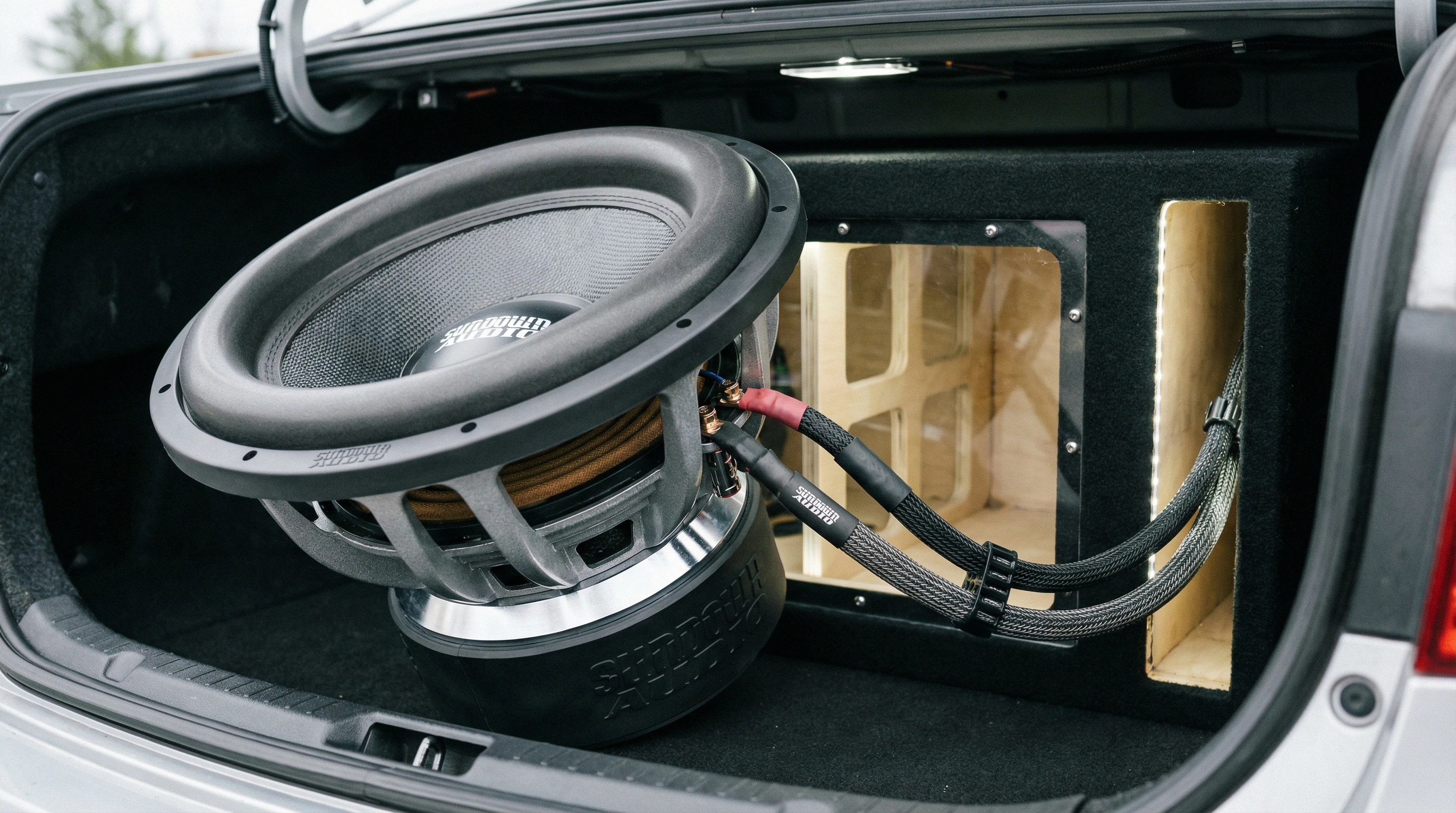 Finding the right Sundown subwoofer really amps up your car audio setup, bringing out deep bass and crisp sound. Sundown Audio has built a strong reputation for reliable, hard-hitting subwoofers, but with so many options in their lineup, picking the right one takes a bit of know-how. There’s more to it than just grabbing the most powerful model you see—it’s about matching your sub to your car, your style, and your budget.