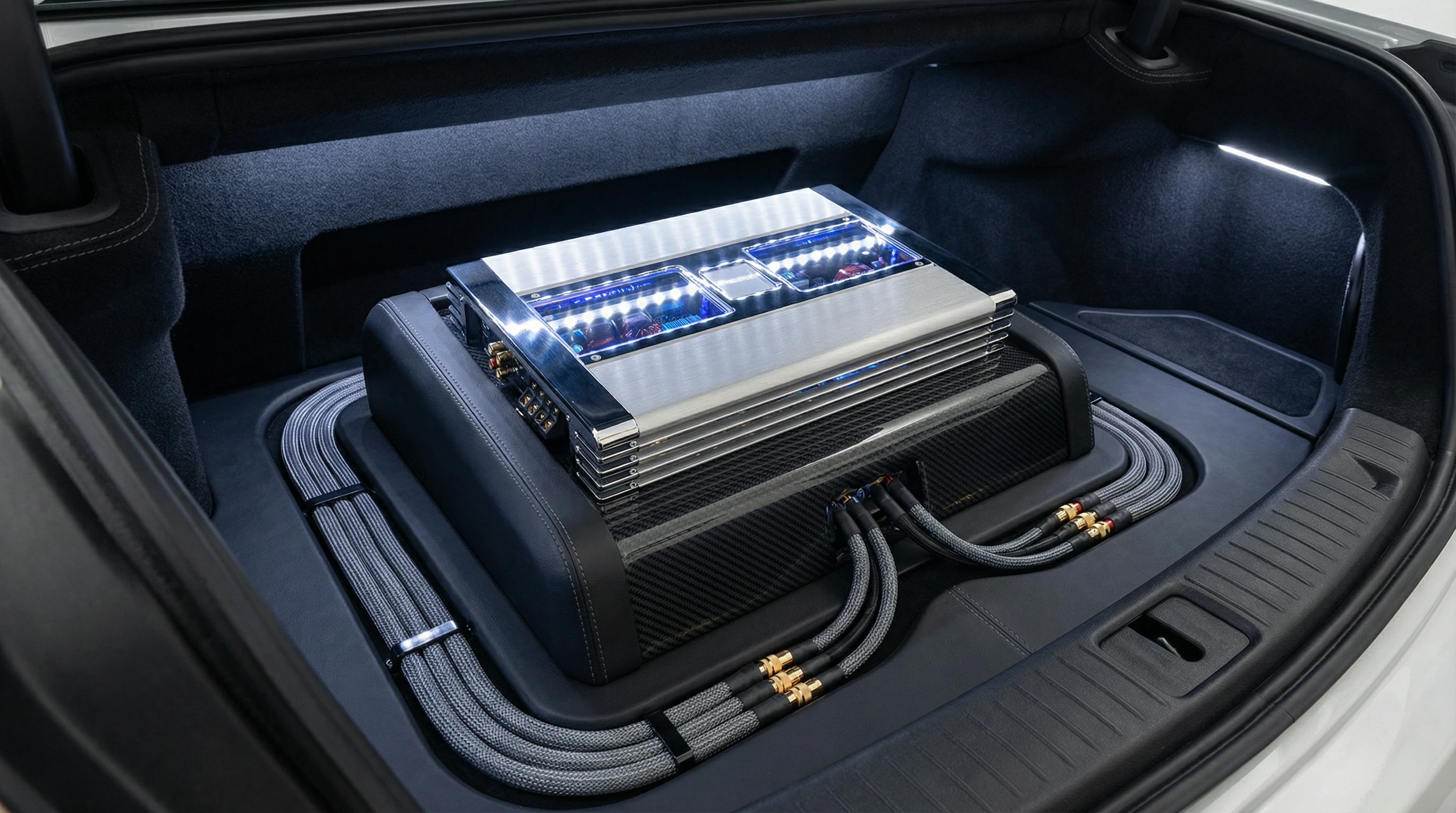
If you’re searching for the best DC audio amplifier for 2026, you’re in the right place. My passion for car audio and DC-powered setups has only grown over the years, so I’m ready to break down what’s new, what’s changed, and which amp truly fits your needs. DC amplifiers make up the backbone of any mobile sound system, whether you’re shooting for competition-grade bass or want a clean upgrade for daily commutes. These amps have had a serious glow-up lately, with the newest models balancing performance, price, and smart features.
If you’re shopping around, or just curious about what gives a DC audio amplifier the edge in 2026, I’ll walk you through my top ratings, vital specs, and all the new tech that could upgrade your entire setup.
Product Category: DC Audio Amplifiers
Website/Source: DCAudio.com
Price Range (2026): $280 – $2100+
Popular Brands: DC Audio, Sundown, JL Audio, Rockford Fosgate, Taramps
Peak Output Power: 400W – 15,000W
Amplifier Types: Mono Block, 2Channel, 4Channel, 5Channel, Full Bridge
User Rating Average: 4.7/5 (based on 2026 verified reviews)
Power Efficiency: Up to 94% (Class D models)
Warranty: Most brands offer 1 to 3 years; definitely check specifics.
Latest Feature Trends: Bluetooth control, integrated DSP, compact chassis, smart thermal protection
Free Demo or Returns: Most reputable brands offer a 30day trial or return window so you can test the amp with your setup riskfree.
There are quite a few options on the market, and some have features tailored for hardcore car audio fans or competition pros. If you don’t know much about amp types or specs, that’s all right. I’ll lay out everything as clearly as possible so you can pick with confidence.
Having the right DC amplifier matters, especially if you’re powering hard-hitting subwoofers or running a full speaker setup where clarity and control count. It pulls together your entire system and has a big influence on sound, efficiency, and reliability.
What Is a DC Audio Amplifier?
Most people think of audio amplifiers as the AC-powered boxes at home or those Bluetooth speakers everyone brings to parties. DC audio amplifiers, on the other hand, are designed to run off direct current—mainly 12V, 24V, or 48V from a car battery, solar battery bank, or beefy DC power supplies at home.
The big draw with DC amplifiers is their flexibility. You can install one in your car, RV, boat, or any build with a steady DC power source. Love cranking music when traveling, camping, or tailgating? DC amps are tough to beat for any mobile adventure.
Most high-output car amps are DC by default, but these days, the lineup is much broader. There are fullrange and subwooferspecific amps for custom motorcycles, watercraft, and solar camps. They’re engineered to handle battery irregularities while delivering clean sound with little noise or distortion.
How DC Amplifiers Have Changed in 2026
The glow-up in DC amplifier technology over the past few years is hard to ignore. Class D amps are now the go-to for cranking big power—over 90% efficiency—and the new models run cooler and smaller than ever, stretching battery life and slotting into tight spaces.
Here’s what’s new and worth knowing as we head through 2026:
- Bluetooth connectivity now comes standard in midgrade models and up, letting users fine-tune gain, crossovers, and EQs with a phone app.
- Integrated digital signal processing (DSP) shows up even in value-priced amps. This allows you to shape soundstage and bass without extra gear cluttering your ride.
- Smart protection features sense heat and electrical overload, shutting down before damage happens while providing diagnostic info via LEDs or your app.
- Modern amps pack huge output in compact frames; even 2,000W RMS can fit under many seats, giving DIYers more install options.
- Class D and Full Bridge setups rule sub channels, while multi-channel amps are blending these designs for versatile builds.
If you want a streamlined look or just hate surrendering trunk space, this trend is all win. Smarter engineering means more punch with fewer compromises.
Key Features to Consider in a DC Audio Amplifier
Specs only go so far; the real test is how an amp plugs into your life. Here’s what to watch for before adding one to your cart:
1. RMS Output Power
RMS is the realworld wattage your amp safely delivers—look past those “peak” numbers. Match or slightly exceed your speaker or sub’s RMS rating, and plan wiring routes for your intended configuration (series/parallel, low-ohm loads, etc.).
2. Amplifier Class (A, B, AB, D, Full Bridge)
Most DC amplifiers in 2026 land solidly in Class D territory, prized for efficiency and small chassis. Audiophile four-channel amps sometimes still use AB for pristine sound, but Class D keeps catching up on quality. For high output and easy installs, Class D is the sweet spot these days.
3. Number of Channels
Mono block amps are subwoofers’ best friend, while 2channel and 4channel amps cover mids and highs. Want an all-in-one solution? 5channel amps drive a standard speaker setup and a sub from one unit—convenient and space-saving.
4. DSP and Signal Processing
Built-in DSP is a standout improvement—many new amps use on-board processors for crossover, EQ, delay, and phase controls. Store multiple sound profiles for tailoring your ride on the fly. That’s a big deal if you swap sources or seating often.
5. Build Quality & Internal Components
Stick with amps using solidstate MOSFET power supplies, beefy output transistors, and thick, well-laid PCBs. Oversized power/ground terminals and effective heat sinks, sometimes with internal fans, are non-negotiable for hard-hitting setups.
6. Size and Mounting Flexibility
Modern amp designs emphasize compactness, but check your available room—some under-seat amps are practically hidden, while ultra-high-output models are still beefy enough to demand trunk space.
7. Protection Features
Look for shortcircuit, thermal, overcurrent, and DC offset protection. High-end amps reset automatically, while budget models may need a manual reset or power-off.
8. Wireless Control & App Integration
Controlling settings from your smartphone is now more than a novelty. Pick an amp with good Bluetooth (or WiFi) integration if app-based tuning and presets fit your routine.
9. Power Input and Electrical Demands
Big power demands big wires. Plan for OFC cables, fusing, and if you’re running serious wattage, consider upgraded alternators or auxiliary batteries. If your lights dim at full blast, it’s time to rethink the power supply.
My Top DC Audio Amplifier Picks for 2026
This year’s lineup blends long-standing favorites and new tech shining in review after review. These picks work for everything from SPL competitions to audiophile dailies, based on real installs, 2026 feedback, and expert opinions.
DC Audio 3.5K Competition Mono Block Amplifier (2026 Model)
The DC Audio 3.5K brings big bass in a size that still tucks under many seats. With 3,500W RMS at 1-ohm and advanced thermal protection, it’s become the standard for loud, durable builds. The latest edition sports Bluetooth and customizable DSP so you can swap between system profiles.
- 3,500W RMS @ 1-ohm, stable as low as 0.5-ohm
- Onboard DSP with 6 presets
- Remote app control for gain, EQ, and phase
- Robust cooling fans for hot climates
- Top scores for quiet operation and clarity
Sundown Audio SFB-8000D Full Bridge Amplifier
The Sundown SFB-8000D raises the bar for SPL, running reliably across 12V, 16V, and even 18V power supplies. Full-bridge tech helps cram major output into a tight shell. Sundown’s build quality and protection circuits have made it a fixture in winning SPL builds.
- 8,000W RMS, 1-ohm stable
- Flexible input voltage (up to 18V)
- Heavy internal construction
- Strong output and clean sound at high wattage
- Simple, straightforward setup
JL Audio XD700/5v2 5Channel Amplifier
If you’re after balance and musical detail, the JL Audio XD700/5v2 is your jam—delivering 75W x4 to the speakers and 300W to a sub, all with Class D efficiency and a compact footprint. Its channel separation and sonic quality have made it a favorite for upgrade projects where every note counts.
- 75W x4 (front/rear), 300W sub @ 2-ohms
- Automotive-grade reliability
- Variable crossover, smart signal turn-on
- Awesome for full system upgrades across most vehicles
Rockford Fosgate T1500-1bdCP
Rockford’s T1500-1bdCP stands tall for subwoofer power. Reliable at 1,500W RMS, the constant power tech shines for keeping output smooth regardless of load changes. Strong cooling and beefy terminals make it a workhorse for both daily drivers and SPL pros.
- 1,500W RMS @ 1-ohm
- Clean wire connections, silent, fanless cooling
- Heavy PCB and sturdy build
- Includes remote bass knob
- Never seems to fail, even under abuse
Taramps MD 12000.1 1Channel Class D Amplifier
The Taramps MD 12000.1 dominates the full-bridge scene with 12,000W RMS at 1-ohm and support for higher input voltages, making it a crowd-pleaser worldwide for competitions, trucks, and marine rides.
- 12,000W RMS @ 1-ohm, supports up to 16V
- Surprisingly compact for its output
- Layered protection circuits
- LED status for monitoring health
- Demands a beefed-up electrical system
Choosing the Right DC Amplifier for Your System
The spec sheets can make your head spin. Here are some streamlined tips to keep you focused while picking:
- Define Your Goals: Do you want earth-shaking bass, silky mids and highs, or a blend? SPL calls for big RMS, while daily SQ setups prioritize even power split.
- Match the Ratings: Make sure your amp meets or tops the RMS your speakers or subwoofers are rated for. Underpowering is where distortion and speaker blowouts usually start.
- Know Your Space: Double-check if there’s room for your target amp. Compact models open options for hidden installs, but big numbers still need big boxes.
- Heat Management: Run loud in hot weather? Make cooling a priority; look for fans, aluminum construction, or smart shutoffs.
- Plan Ahead: If your system will grow, think about stackable options or brands with compatible interfaces for future expansion.
DC Audio Amplifier Installation Tips (From My Experience)
Even a beastly amp won’t shine if the install isn’t rock-solid. The most common headaches I see—and how to dodge them:
- Use the Right Gauge Wire: Big amps need big cables; OFC only. Don’t try to save a buck with CCA. Sizing up wires is good insurance for power flow and long-term amp health.
- Protect Power Leads: Always fuse close to the battery. Guard wire runs using grommets and heat shrink to stop shorts or rub-throughs.
- Solid Ground: A great ground cuts down on whine and avoids weird shut-offs. Bare the metal, bolt it tight, and use star washers for bite.
- Mind Ventilation: Don’t block the fans or enclose amps too tightly. Cooling keeps things reliable at top volume.
- Smart Signal Routing: Separate RCAs from power cables to avoid buzzing or alternator whine.
- Double-Check Polarity: Confirm every speaker and amp terminal’s positive/negative before turning things on.
- Tune Gain Properly: Use a meter or scope—don’t guess by ear. Distortion means you’re pushing something too far.
Frequently Asked Questions (FAQ) About DC Amplifiers
Can I use a DC amplifier at home?
You can if you use a dedicated DC power supply that provides enough current for your amp’s needs. This is popular for bench testing or mobile DJ rigs. Stick with quality power supplies to avoid surprise shutdowns or extra hiss.
What size fuse should I use?
Your fuse should be 10-20% higher than the amp’s maximum draw, based on both the amp’s specs and your wiring. For amps that pull 90A at peak, a 100A fuse on 1/0 AWG cable is standard. Always lean on brand instructions before using generic charts.
Is there a difference in sound quality between Class D and AB amplifiers?
The gap is closing fast. Class AB has a slight edge in smoothness, but modern Class D is almost as good, with better efficiency and size. For most setups—especially subs and multi-channel—pick Class D for ease and great audio.
How important is signal-to-noise ratio (SNR)?
SNR measures how much hiss you’ll get on top of your tunes. 100dB+ SNR is ideal for quiet backgrounds. Watch this number if you run sensitive tweeters or care about sonic details.
Will using a bigger amp damage my speakers?
A bigger amp is safe as long as you don’t crank it until it clips. More headroom means cleaner sound. Most speaker damage comes from underpowered, overdriven amps—not too much clean wattage.
Are full bridge amps better than half bridge?
They offer major watts per dollar and compactness, but can be noisier. Go full bridge for max SPL and subs, stick to half bridge for ultra-clean highs.
How do I know if my car’s electrical system can handle a big amp?
If you’re past 1,000W RMS, budget for a bigger battery, alternator, or extra battery/capacitor bank. Flickering headlights at high volume are a giveaway that your stock system’s stretched thin.
2026 DC Audio Amplifier Trends to Watch
2026 is the year of smarter and slicker amps. Here’s what to look for in new releases:
- App-Based Tuning: Adjust crossover and EQ, check stats or run diagnostics—all from your smartphone. Even firmware updates are now pain-free.
- Miniaturized High-Wattage: Serious power in tiny shells. New forms let you install sub amps almost anywhere.
- Preset DSP Settings: Multiple user-memory slots let you swap between “dailydrive” or “demo mode” with one touch.
- Ready for Off-Grid Life: Models supporting 24V and 48V bank voltages plug right into solar, van builds, and portable party systems.
- Real-Time Data and Logging: Top amps log voltage, temp, and errors—super handy for troubleshooting or competing.
- Hybrid AC/DC Gear: Amps that switch between home and vehicle power make setups more versatile than ever.
Where to Buy DC Audio Amplifiers Online (Safely)
Stick to authorized dealers to get the real thing, save your warranty, and access solid tech support. These sources always treat customers right:
- DC Audio (Direct): Factory store, lots of support, instant access to new models.
- Sonic Electronix: Loads of verified reviews, huge selection, fair prices.
- Crutchfield: Up-to-date guides with legendary tech advice and no-hassle return policies.
- Down4SoundShop: Great for competition gear and speedy shipments.
- Amazon: Massive assortment. Only buy from official brands or top-rated sellers!
Look for demo and return guarantees. Trying the amp with your ride’s speakers is the best way to know if it fits your needs.
Is It Worth Upgrading to a 2026 Model?
This depends on your current rig and what you want. If you’ve got a solid Class D from the past few years and don’t crave DSP or app controls, keep it until you need more output or features. But if you’re stuck with older AB models, the size, heat, and feature jump in 2026 is definitely worth it—especially if you love tweaking or value extra trunk space.
The built-in smart features, DSP curves, and size reduction make these upgrades worthwhile, particularly for anyone planning a fresh build or considering system expansion down the road.
Wrapping Up My 2026 DC Audio Amp Guide
A strong DC audio amplifier is the linchpin of any mobile system, RV, or off-grid soundstage. Models for 2026 let you pump up volume, run cleaner setups, and tune in ways impossible a few years ago. Whether you want monster SPL, crisp audio cues, or rugged day-to-day reliability, there’s never been a better time to build.
Got questions about mixing and matching amps, tuning for your subs, or just want feedback on your dream setup? Let me know below or send a message. Helping folks get the best from their gear is the best part of car audio for me.
A carefully chosen DC amplifier does more than just make things louder—it transforms how you listen and enjoy every ride. With a little planning, the right features, and a careful install, your 2026 setup is going to shine. Have fun building, and crank up the good times!