
Getting great bass in your truck isn’t just about grabbing a powerful subwoofer. A lot of the time, what really makes an impact is how you build the subwoofer wall. A well-planned subwoofer wall can push your truck’s audio to the next level and keep everything looking clean. Over the years, I’ve worked on a few different builds, and I’ve picked up some useful tips and tricks that make the process smoother and the results even better. In this article, I’m sharing my experience and insights on subwoofer wall designs for trucks. We’ll cover what you should know, issues to watch out for, and how to make the most of your setup.
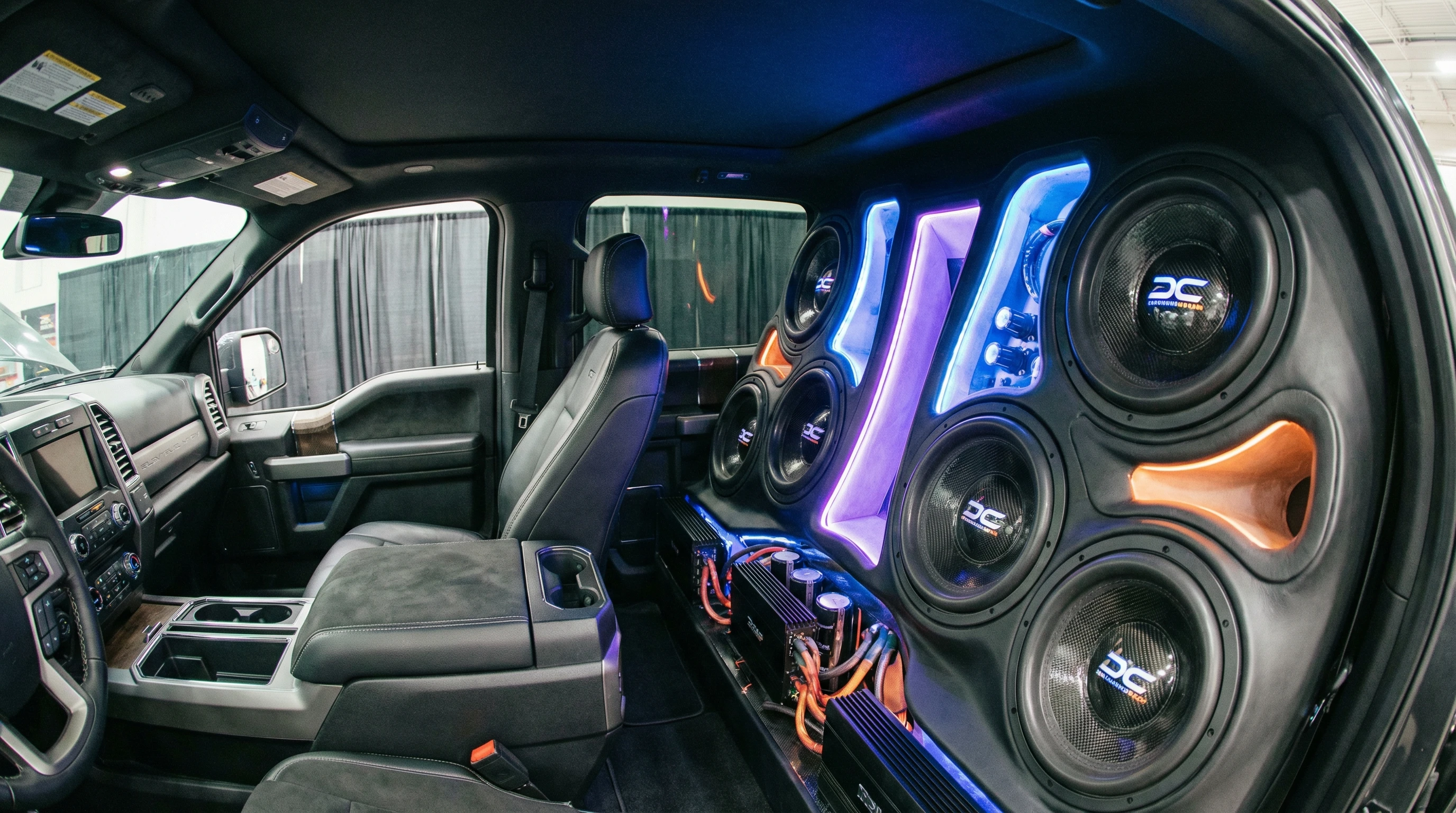
Why Build a Subwoofer Wall in Your Truck?
Music just hits differently with a dedicated subwoofer wall. This kind of design lets you fit more subwoofers (and usually larger ones) than a typical box setup. That means cleaner bass, less rattle, and a pretty head-turning look. People who care about sound quality or who enter their trucks into audio competitions often go the wall route for these reasons.
A subwoofer wall is basically a solid barrier built behind the cab or seats, replacing or covering a big chunk of available space. It’s custom fitted, so every inch counts. You get better sound isolation, more space for beefy equipment, and a great way to show off your audio gear.
Understanding the Basics of Subwoofer Wall Design
Before jumping into building, it helps to understand how a subwoofer wall setup is different from your standard sub box. These builds involve more planning, heavyduty construction, and a focus on making everything fit right and stay secure, even when the bass is at full blast.
Here are a few terms and ideas that come up a lot:
- Enclosure Type: The wall is usually built as a sealed or ported box that takes up the whole width and height of the area behind the seats.
- Volume: The airspace inside the enclosure is really important for getting the most out of your subwoofers. Too little or too much space can mess with sound quality.
- Bracing: Good bracing stops the wall from flexing when the bass hits. Too much flex leads to rattles and even box failure.
- Material: Most people stick with MDF (medium density fiberboard) or birch plywood for durability and ease of cutting. Thicker is usually better for strength.
- Sealing: Gaps can ruin output, so careful sealing with glue and caulk is key for great sound.
Choosing Subwoofers for Your Truck Wall
Picking the right subs really shapes your whole wall setup. If you’re going for street bass or competitions, you might want bigger and more powerful units. Daily drivers might choose fewer but quality subs to keep some space in the cab.
Things to think about when picking subs for your wall:
- Size: 12-inch and 15-inch subwoofers are popular because they move a lot of air. Some go as big as 18-inch subs for pure SPL (sound pressure level) builds.
- Power Handling: Look for subs that handle serious power. Higher wattage means more output potential, but remember, your amplifiers need to keep up.
- Mounting Depth: Make sure your chosen subs actually fit in your planned enclosure depth.
- Impedance: Match your subwoofers’ impedance to the amps you plan to use for maximum output and safety.
Steps for Building a Subwoofer Wall in Your Truck
Building a subwoofer wall takes time and effort, but it’s totally possible with basic tools and the right plans. Here’s how the process usually goes based on my own builds:
- Measure Twice, Cut Once: Get accurate measurements of your truck’s cab. Measure the width, height, and depth of the area behind the seats or wherever you want the wall.
- Rough Design: Sketch out how you want the subs arranged (vertical, horizontal, or an angle). Map out where your amps, wiring, and accessories will live too.
- Frame and Brace: Build the main structure from MDF or birch. Add bracing to prevent flex and vibration.
- Cut Woofer and Port Holes: Mark and cut your holes for subs, and if you’re going for a ported design, the ports or aeroports too.
- Assemble: Put the box together using wood glue and screws. Double-check all corners and seams are sealed tight.
- Finishing Touches: Carpet, vinyl, or paint can make your wall blend in or stand out. LED lighting is a nice touch that looks awesome at night.
- Install Components: Drop in your subs, bolt everything down, and wire up the amps. Double-check all connections for safety.
Tip Sheet: What to Watch For With Truck Subwoofer Walls
Custom truck audio isn’t always smooth sailing. I’ve hit a few bumps myself, and I learned a lot from those days in the garage. Here are some things to watch out for if you want your wall to sound (and look) its best:
- Seat Movement: Some walls require removing or relocating seats. Decide if keeping rear seats is a priority, or if you’re okay with converting your truck to a bass machine.
- Weight: A full enclosure with multiple subs and amps can be heavy. Consider your suspension and how much weight your truck can safely handle.
- Power Requirements: Running big amps calls for proper wiring, so think upgraded alternators, batteries, and thick power cables to avoid voltage drops and electrical headaches.
- Ventilation: Amplifiers generate heat. Make sure there’s enough airflow to prevent overheating, especially on longer rides or during summer.
- Road Noise: Rattles and vibrations can creep in fast, especially in older trucks. Adding sound deadener behind panels and under the cab floor helps keep your audio clean and crisp.
Handling Power and Electrical Upgrades
Big bass setups draw a lot of juice. Upgrading to higher capacity alternators and deep cycle batteries prevents dimming lights and annoying shutoffs. I like to use the “big three” wiring upgrade: swapping out main power, ground, and alternator wires for thicker options. This helps current flow freely so everything runs smoothly, even at max volume.
Staying Legal and Safe
Super loud setups aren’t always street legal. Some places have noise ordinances, so it’s worth checking your local laws before going all in. I also make sure that all the electrical work is safe, using properly rated fuses and securing every connection. Proper wiring and sensible placement prevent electrical fires and accidental shorts, which is something you should never ignore. Always use heavy-duty connections and don’t skimp on safety checks before hitting the road. This is especially important when you’re running high-wattage systems, which naturally generate more heat and strain on your truck’s battery and alternator. Being cautious here helps avoid headaches later, and you’ll get to enjoy the music without worries.
Advanced Build Ideas and Features
Sub walls open up some creative options. Depending on your goals, you can add some next-level cool extra features:
- Removable Panels: Make sections removable for easy amp tuning or quick repairs.
- Window Ports: Perspex or acrylic viewing panels let you show off amp guts or LED accent lighting.
- Integrated Storage: Some folks add hidden compartments for tools or emergency gear, keeping your truck practical as well as loud.
- Tapered or Sloped Designs: If you’re tight for space, you can design the wall with angled edges that fit the cab better and reduce box volume where needed.
- Color-Shifting Lighting: Add programmable LEDs that change color based on music to give your setup serious flair at night—these can be especially attention-grabbing at car shows or meetups.
Another cool idea is to integrate temperature sensors and cooling fans that only kick on when your amps start running hot. This way, you never have to worry about overheating, especially on hot summer days or if you like long listening sessions. And for the ultimate eye-catching finish, you can embed logos or custom artwork on the face of the wall using vinyl wraps or laser-cut panels, making your truck truly unique and showing off your style.
Real-World Applications: Who Benefits Most?
People who build subwoofer walls are usually chasing maximum output or competition-level performance. But even weekend warriors or casual listeners can enjoy a wall if the build is tailored to their needs. For example, a dual twelve-inch sub wall can give deep, powerful bass without buzzing everything loose or ruining comfortable driving.
Upgrading to a wall is also a fun way to make your truck stand out at shows or meetups. There’s nothing quite like opening the doors and seeing heads turn at a clean install with top-notch audio. You’ll not only impress fellow enthusiasts but might even set a new standard among your circle for next-level cool truck builds.
- Show Trucks: Flashy designs and lighting are popular for show trucks, turning the wall into a centerpiece.
- Daily Drivers: A compact, more discreet wall setup is possible if you want deep bass but still need storage or rear seating.
- Competition Builds: These are all about SPL and volume, cramming as much sound as possible into the space available for the ultimate audio experience. Builders in this scene are always looking for new ways to step up their designs, integrating wild port shapes and tuning enclosures for the highest pressure achievable.
Frequently Asked Questions
Truck owners often have questions when thinking about making a leap to a subwoofer wall. Here are some of the ones I get the most:
Question: Is a subwoofer wall hard to install for someone new to car audio?
Answer: If you’re handy with tools and can follow plans, you can definitely tackle it. There are plenty of online guides and forums (like caraudio.com and the12volt.com) where people share step-by-step builds and answer questions. Getting into it might seem daunting, but with patience, you can put together a solid system even if you’re new.
Question: Will a sub wall make my truck unusable as a daily vehicle?
Answer: It depends on your design. Some people keep a partial rear seat or add practical storage features, but full wall builds often require committing the rear area to audio gear. There are ways to strike a balance if daily usability is important to you. Planning ahead ensures you get what you want from your ride.
Question: Do I need an upgraded electrical system for my subwoofer wall?
Answer: Anything above a couple of moderate subs will probably need more power, especially multiple amps. Upgrading your alternator, battery, and wiring keeps things reliable. Even if you start small, plan for future upgrades—it’s much easier to add more power capacity early on than try to catch up later when you want to pump up your system.
Wrapping Up
A subwoofer wall is a cool way to get serious sound out of your truck and shows off some custom craftsmanship. Planning, careful building, and the right components all make the difference. Whether you’re chasing trophies or just want your music to hit hard, a wall might be worth checking out. Remember to always check your measurements, use quality materials, and keep safety in mind throughout the process.
Start with a simple design and scale up as you get more comfortable. Truck audio is always about making your ride your own, so go make it loud and proud! With the right approach, you’ll enjoy canyon-deep bass, solid performance, and plenty of admiring looks wherever you go. Good luck on your audio adventure!