
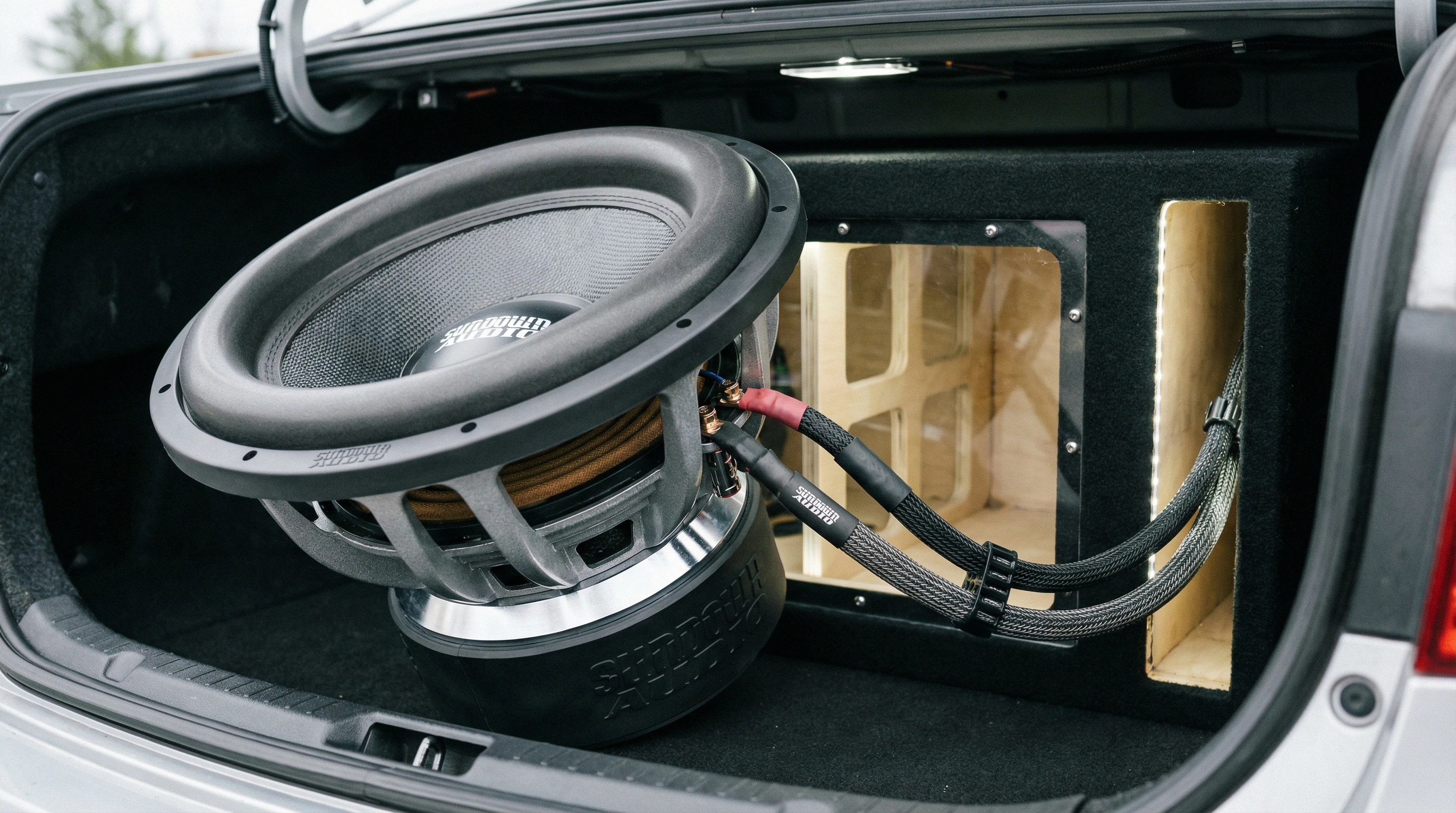
 Finding the right Sundown subwoofer really amps up your car audio setup, bringing out deep bass and crisp sound. Sundown Audio has built a strong reputation for reliable, hard-hitting subwoofers, but with so many options in their lineup, picking the right one takes a bit of know-how. There’s more to it than just grabbing the most powerful model you see—it’s about matching your sub to your car, your style, and your budget.
Maybe you’re after earth-shaking bass, want something for everyday listening, or you’re planning a competition build. Being able to spot the differences between models, sizes, and features helps you make a smart choice for your ride. I’ve spent years testing and installing Sundown gear, so I’m sharing what I’ve learned to help you get the most out of your next upgrade. Whether you’re just starting out with your first sub install or you’ve been building systems for years, a refresher on what matters can help you avoid common pitfalls.
This guide breaks down everything you need to know to choose a Sundown subwoofer that fits your needs, whether you’re customizing a car, truck, or even a boat. Smart choices up front save you money, hassle, and give you that punchy bass Sundown is known for. With the right info, you can steer clear of overspending and ensure your system delivers impressive bass every time you hit play.
Understand Your Bass Goals
Start with figuring out what kind of bass you want in your vehicle. Some people want booming, window-rattling lows, while others just want a cleaner sound with more presence. Sundown offers a range of subwoofers, so being clear on your goals will keep you from overbuying or ending up with something that can’t meet your needs.
Ask Yourself:
- How loud do I want it to be?
- What music do I listen to most? (Hip-hop, EDM, rock, etc.)
- Am I interested in SPL (loudness) or SQ (sound quality)?
- Will I compete in car audio events, or is this just for daily driving?
Types of Listening Styles:
- Basshead/Competition: All about maximum output; check out Sundown’s ZV, NS, or Team series.
- Sound Quality/Fidelity: Focused on detailed, accurate bass; look at Sundown’s SA, SD, or U series.
- Daily Driver: Balanced bass that doesn’t overpower; Sundown SA or E series work well here.
Thinking about your goals up front helps you narrow down the Sundown subwoofer models, avoiding the issues of upgrading later. It also keeps your system fun and matches how you enjoy your music day to day.
Choose the Right Subwoofer Size
Sundown subwoofers come in a range of sizes, including popular 8-inch, 10-inch, 12-inch, and 15-inch versions. Bigger isn’t always better, as your vehicle size and personal bass preference play huge roles in what will work best.
Basic Size Guide:
- 8” or 10” Subwoofers: Quick, punchy bass; great for small cars or trucks and music with sharp, precise beats.
- 12” Subwoofers: Popular for daily driving, offering a nice mix of deep lows and responsiveness without taking up the whole trunk.
- 15” Subwoofers: Delivers deep, booming bass; better for large vehicles or serious SPL builds where volume matters most.
Think about your available trunk space and whether you need to save room for groceries or gear. I’ve found that most daily drivers are happiest with a 10” or 12” sub since they strike a good balance between punch and practicality. Sub size can also affect how “musical” your system feels, with smaller sizes emphasizing tighter response and larger ones focusing on raw power and volume.
Match Power Handling and Amplifier Needs
Power handling is a big deal when picking a Sundown subwoofer. You’ll want a sub that pairs well with your amp; too much power can damage the sub, and too little wastes its potential. Each Sundown sub lists its RMS (continuous) and peak power ratings, but stick to the RMS value for real-world use. Matching power ensures your sub stays reliable and sounds clear, without distortion or risk of blowing the speaker.
How to Match Power Handling:
- Check the RMS rating on your subwoofer; make sure your amp can supply about 80-100% of that value.
- Don’t overpower a sub expecting more bass. This shortens its life and can void warranties.
- For big builds and multiple subs, pick a quality amp with clean, stable power. Don’t cut corners on amplification.
Example Pairings:
- Sundown SA-12 (750W RMS) → Pair with a 700–800W RMS amp at the correct impedance.
- Sundown ZV5-12 (2000W RMS) → Needs high-output amps and heavyduty wiring.
Properly matching power is really important for reliable, distortion-free bass. Sundown’s website has handy spec sheets for each model, making this process way easier. If in doubt, ask an installer or use Sundown’s support resources for specific recommendations on pairing subs and amps.
Decide on the Right Impedance
Impedance is measured in ohms and affects both the sub’s compatibility with your amp and how you wire multiple subs. Sundown subs often come in dual 2-ohm or dual 4-ohm coil versions. Picking the right configuration depends on your amp’s specs and how many subs you want to run.
Impedance Basics:
- Dual 2-Ohm: Allows wiring for 1-ohm or 4-ohm final load. More flexibility if you’re adding more subs later.
- Dual 4-Ohm: Works for 2-ohm or 8-ohm loads. Solid choice if your amp is optimized for 2-ohm.
If you’re unsure, most car audio shops or forums like caraudio.com can help you figure out the best setup for your gear. I always check my amp’s manual before deciding. The right impedance match ensures maximum performance and helps avoid overheating or premature wear on your system.
Box Setup and Space Requirements
The box, or enclosure, you use with your Sundown subwoofer seriously affects sound and performance. Sundown lists recommended box sizes and types right on their product pages. The two main choices are sealed or ported boxes, and each offers a unique sound signature.
Box Types:
- Sealed Box: Tight, accurate bass; takes up less space; best for sound quality and smaller vehicles.
- Ported (Vented) Box: Louder, boomier bass; bigger box needed; ideal for maximum output and deep lows.
Measure your available space before buying. Some Sundown subwoofers are pretty deep or wide, so make sure your trunk or cabin can handle it, especially with ported boxes. Building your own box? Follow the specs closely for best results. Using a custom-made enclosure that matches your sub’s needs brings out the best performance, while an undersized or leaky box can leave even the most powerful sub sounding weak.
Budget and Real-World Value
Sundown subwoofers range from budgetfriendly “E” models to highend “Team” monsters used in competitions. Figure out what you’re comfortable spending, but also plan for extras like wiring kits, boxes, and installation if you’re paying for professional help. Remember, a great system needs more than just a sub—a good amp, sealed box, and proper wiring all play a role.
Example Pricing Tiers:
- E Series: Affordable and tough; an awesome starter sub for anyone.
- SA/U/SF Series: Step up in quality and power; good for most daily drivers and music enthusiasts who want a little extra punch.
- ZV/NS/Team Series: Premium performance (and price), mainly for enthusiasts and SPL competition builds who want the most output possible.
I’ve found it better to get a slightly better model and run it within its limits than to push a cheaper sub too hard. Upgrading later costs more than buying once and installing right the first time. Investing in quality now saves you from headaches and replacements down the road.
Installation Tips and Support
Installing a highpowered subwoofer needs the right wiring, secure mounting, and a decent amplifier. Sundown’s gear is made to handle some real power, but only if the setup is rock solid.
- Use quality wiring kits; cheap wire can lead to voltage drops and headaches.
- Tune your amp’s gain settings with a multimeter or an oscilloscope if you have one. Ear tuning is hit or miss.
- Watch for air leaks if you build your own box; airtight construction makes a noticeable difference.
- If you’re new to wiring or box building, check out Sundown’s support forums and YouTube. The community is really helpful and packed with great advice and demos.
Installing your own subwoofer can be a rewarding project, but if you’re unsure about wiring or tuning, getting professional help ensures you don’t run into costly mistakes.
Answers to Common Sundown Questions
What makes Sundown subs different?
Sundown uses heavy magnets, strong baskets, and tough voice coils. Their stuff is built to last and take a beating, even in highoutput setups, setting their products apart from many competitors.
Can I mix different size Sundown subs?
I wouldn’t recommend it. Different sizes sound different and can muddy up your bass. Sticking to matched pairs (same model and size) keeps things sounding clean and makes tuning much easier.
Is a ported or sealed box better for Sundown subs?
If you want precise, tight bass, go sealed. If you want to feel the bass in your chest, ported is the way. Sundown subs usually work well in both, just follow their box suggestions and your personal preference for sound style.
Ready to Upgrade? Key Steps for Choosing
Picking a Sundown subwoofer doesn’t have to be tricky. Stay focused on your space, power, and goals. Here’s my basic checklist to guide you:
- Figure out the space and bass feel you want (clean vs. loud and boomy).
- Pick the size and series that fits your vehicle and listening habits.
- Match your sub’s RMS to your amp’s output at the right impedance.
- Choose the enclosure type and size for your sub and car.
- Set a realistic budget for everything (subs, amp, wiring, and box).
Getting the right Sundown sub sets you up for years of great sound. Which model are you thinking about running in your build? No matter what you pick, Sundown’s lineup has a reliable choice ready to meet your music needs, whether you’re chasing SPL trophies or just want to let it rip on the commute to work.